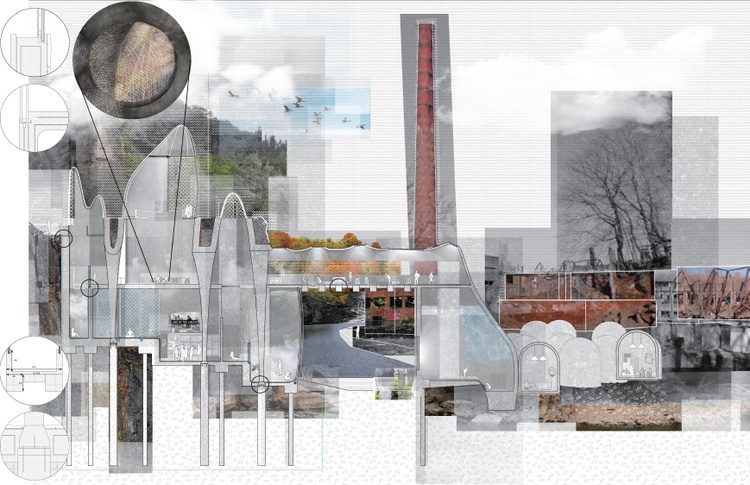
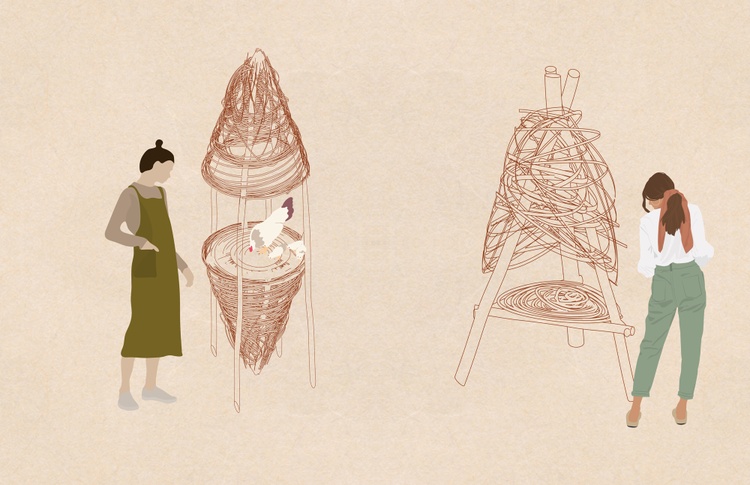
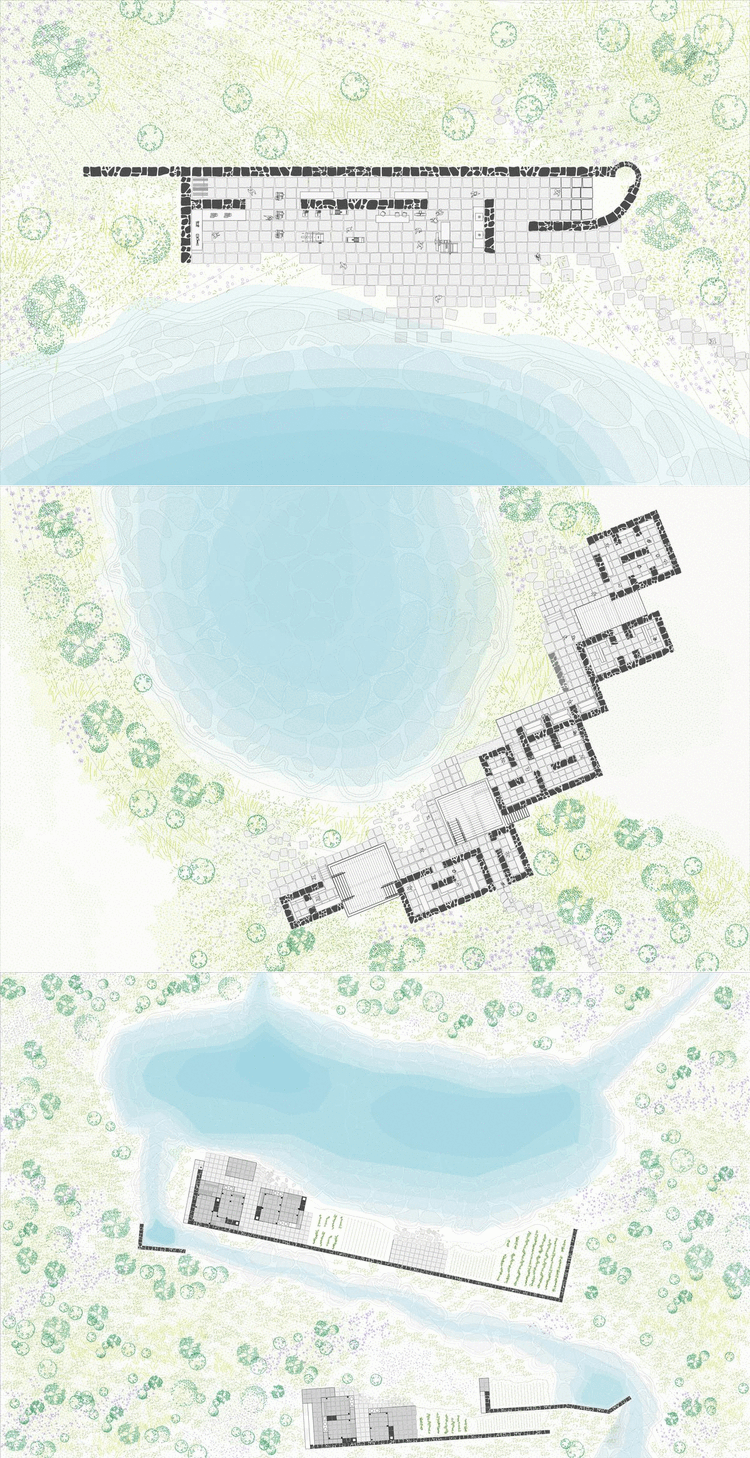
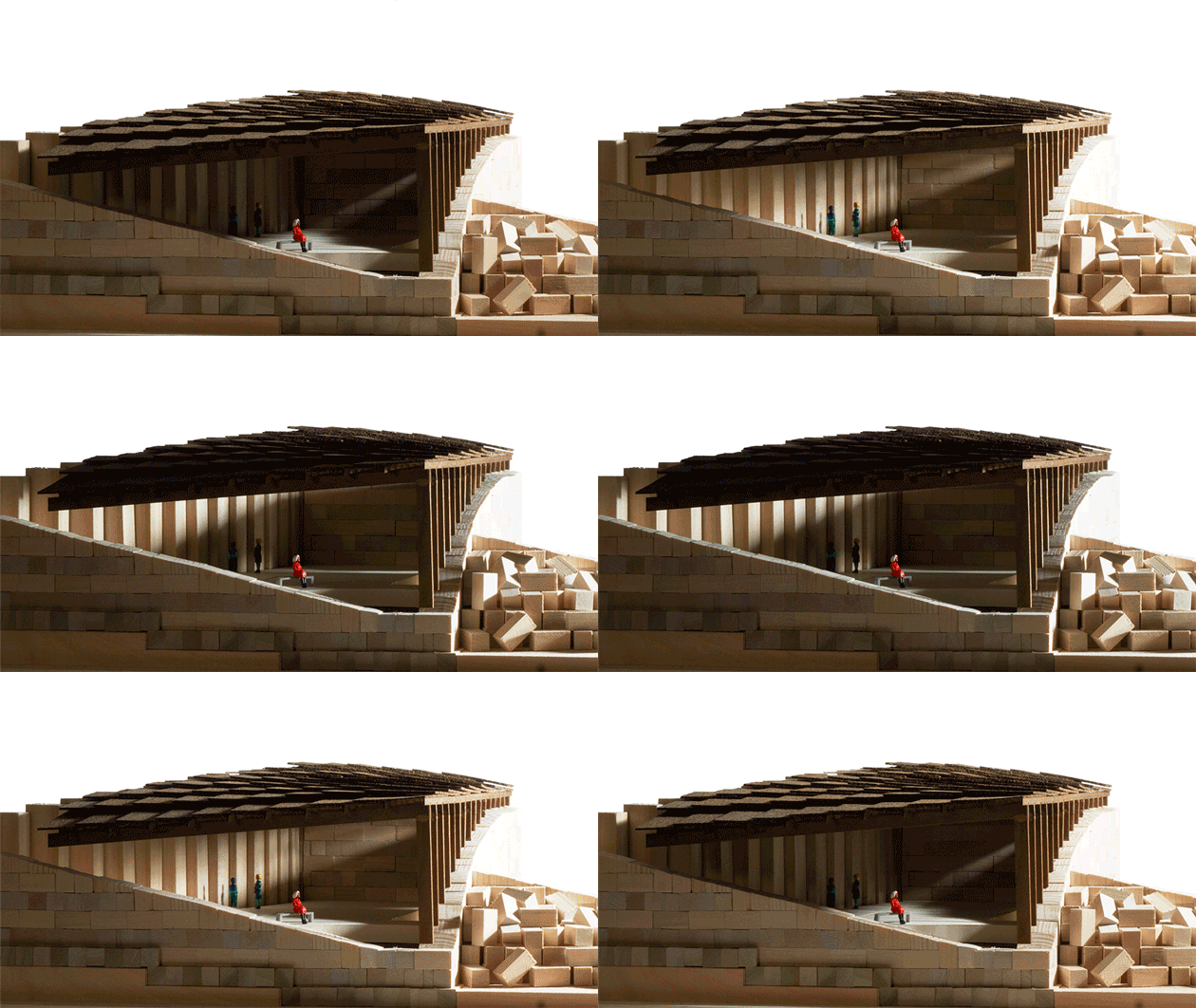
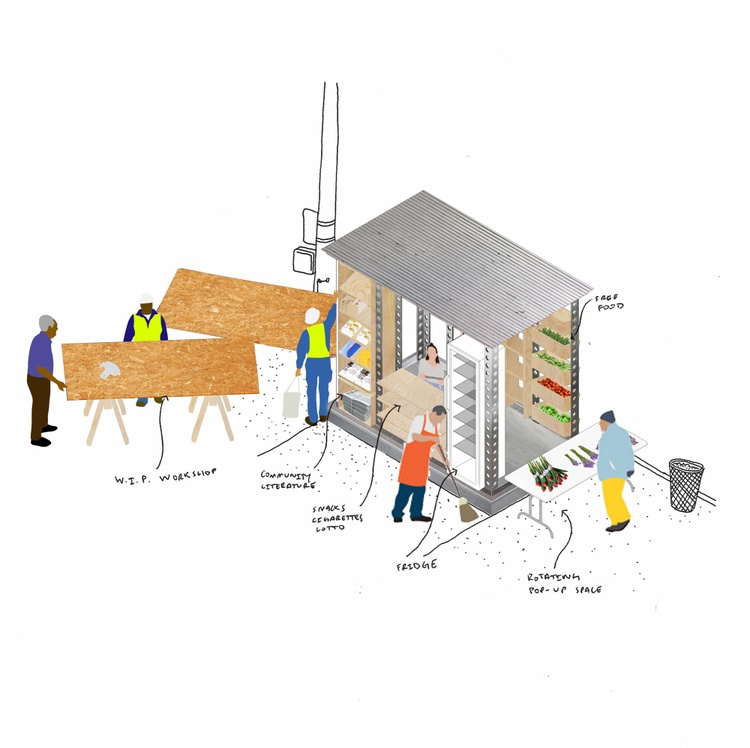
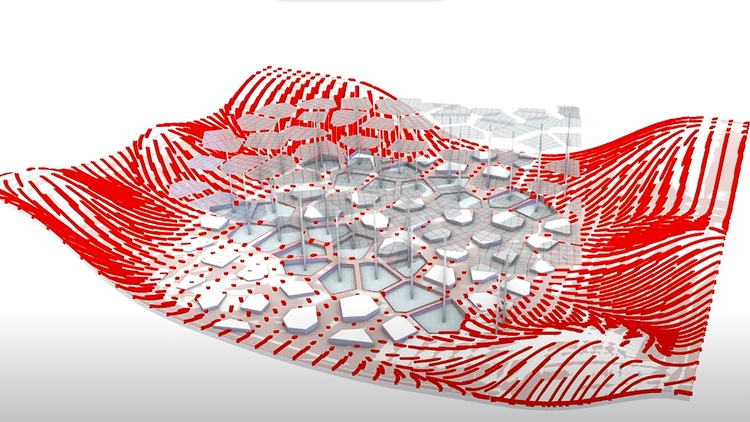
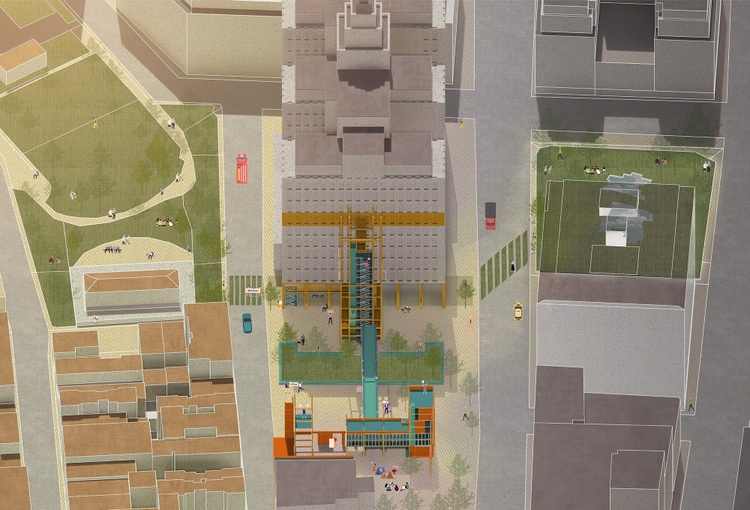
Cyanotype workshop in the Representation Sequence led by Amelyn Ng, Fall 2024
A
AIA CES Credits
/aiacescredits
AV Office
321M Fayerweather Hall
Christopher Day, Kane H. Chiang, Ben Goldie
/audio-video-off…
Abstract Publication
415 Avery Hall
Ilana Curtis
/abstract
Academic Affairs
400 Avery Hall
Danielle Smoller
/academic-affair…
Academic Calendar, Columbia University
http://registrar…
Academic Calendar, GSAPP
/academic-calend…
Admissions Office
407 Avery Hall
1172 Amsterdam Avenue
New York, New York 10027
Steffen Boddeker, Sara Konekeo
/admissions
Advanced Standing Waiver Form
Must be printed and returned to 400 Avery Hall
https://d37vpt3x…
Alumni Board
/alumni/board
Alumni Office
405 Avery Hall
1172 Amsterdam Avenue
New York, New York 10027
Leah Cohen, Esther Turay, Elizah Laurenceau
/alumni/contact
Architecture Studio Lottery
/architecture-st…
Assistantships
/assistantships
Avery Library
300 Avery Hall
1172 Amsterdam Avenue
New York, NY 10027
http://library.c…
Avery Review
Joanna Joseph, Isabelle Kirkham-Lewitt
http://averyrevi…
Avery Shorts
Isabelle Kirkham-Lewitt, Joanna Joseph
http://www.avery…
B
Black Student Alliance at Columbia GSAPP
/bsa
Building Science & Technology Waivers
/building-tech-w…
Bulletin Archive
/bulletin-archiv…
C
Career Services
300M Avery Hall
Karen Cover, Rebecca Andersen Polimeda, Douglas Woodward, Sarahgrace Godwin
/career-services…
Columbia Books on Architecture and the City
Isabelle Kirkham-Lewitt, Joanna Joseph, Meriam Soltan, Isabelle Tan
/books
Commencement
/commencement
Communications Office
415 Avery Hall
/communications-…
Conversations podcast
/conversations
Counseling and Psychological Services
http://health.co…
Courses
/courses
Credentials Verification
/credentials-ver…
Credit Transfer
/credit-transfer…
Cross Registration
/cross-registrat…
D
Dean’s Letter
/deans-letter
Dean’s Office
402 Avery Hall
1172 Amsterdam Avenue
New York, NY 10027
Janet Reyes, Sonya Marshall, Nicholas Roberts, Matthew Colunga
/deans-office
Development Office
404 Avery Hall
Leah Cohen, Esther Turay, Elizah Laurenceau
/development-off…
Directory of Classes (All Columbia University)
http://www.colum…
Disability Services
http://health.co…
Dodge Fitness Center
3030 Broadway Dodge
https://perec.co…
Dual Degree Program Requirements
/dual-degree-req…
E
End of Year Show
/eoys
Events Office
415 Avery Hall
/events-office
External Funding Sources
/admissions/tuit…
F
Faculty Directory
/faculty
Feedback
/feedback
Finance Office
406 Avery Hall
Janet Reyes, Kristina Camaj, Amanda Seitz
/finance-adminis…
Fitch Colloquium
Sarahgrace Godwin, Jorge Otero-Pailos
/fitch
Future Anterior Journal
Jorge Otero-Pailos, Sarahgrace Godwin
/future-anterior…
G
GSAPPX+
/gsappxxplus
Grades
/grades
Graduation
/commencement
Graphics Project
Yoonjai Choi
/graphics-projec…
H
Honor System
/honor-system
Human Resources
Elizabeth Alicea, Amanda Seitz
/finance-human-r…
Hybrid Pedagogy Resources
/hybrid-pedagogy…
I
IT Helpdesk Ticket, GSAPP
https://bit.ly/2…
IT Office, GSAPP
Ben Goldie, Alvaro Gamboa, Christopher Hou, Roberto Marsach Jr., Nicholas Martucci, Diego Patino Toro, Hannette Un
/it-support
IT, Columbia University (CUIT)
http://cuit.colu…
Identity
/identity
International Students and Scholars Office (ISSO)
http://www.colum…
N
News and Press Releases
/news
Newsletter Sign Up
https://columbia…
Non-Discrimination Statement and Policy
/non-discriminat…
O
Onera Prize for Historic Preservation
/onera-prize
Online Admissions Application
GSAPP Admissions 407 Avery Hall
https://apply.gs…
Output Shop
116 Avery Hall
1172 Amsterdam Avenue
New York, NY 10027
Carlito Bayne, Sherly Orilas
/output-shop
Ownership of Student Work Policy
/ownership-of-wo…
P
Paris Prize, Buell Center
/buell-paris-pri…
Paul S. Byard Memorial Lecture Series
/byard-lectures
Percival & Naomi Goodman Fellowship
/goodman-fellows…
Plagiarism Policy
/plagiarism-poli…
Policies & Resources
/policies-resour…
Press Releases
/news
Publications Office
415 Avery Hall
1172 Amsterdam Avenue
New York, New York 10027
Isabelle Kirkham-Lewitt, Joanna Joseph, Meriam Soltan
/books
R
Registration
/registration
Registration: Add / Drop Form
https://docs.goo…
Room Reservations
/room-reservatio…
S
STEM Designation
/stem
Satisfactory Academic Progress
/satisfactory-ac…
Scholarships
/admissions/tuit…
Skill Trails
Dan Taeyoung
https://skilltra…
Student Affairs
400 Avery Hall
Danielle Smoller, Emily Dennis
/student-affairs…
Student Awards
/student-awards
Student Conduct
/student-conduct…
Student Council (All Programs)
/student-council…
Student Financial Services
http://sfs.colum…
Student Health Services at Columbia
http://health.co…
Student Organization Handbook
/books/catalog/5…
Student Organizations
/student-organiz…
Student Services Center
205 Kent Hall
https://ssc.colu…
Student Services Online (SSOL)
https://ssol.col…
Student Work Online
/student-work
Studio Culture Policy
/architecture-st…
Studio Procedures
/studio-procedur…
Summer Workshops
/summer-workshop…
Support GSAPP
https://arch.giv…
Master of Architecture
Andres Alvarez Davila, Jules Kleitman, Zakios Meghrouni-Brown
Phu Hoang
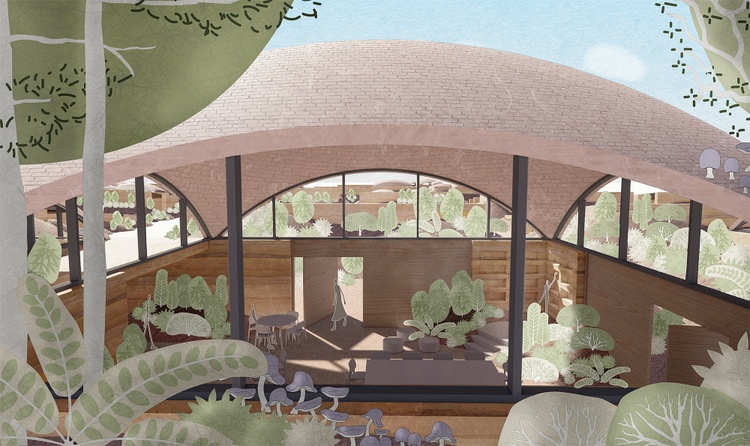
Jixuan Li, Wei Xiao
Dan Taeyoung
,Lorenzo Villaggi
,Violet Whitney
,Lexi Tsien
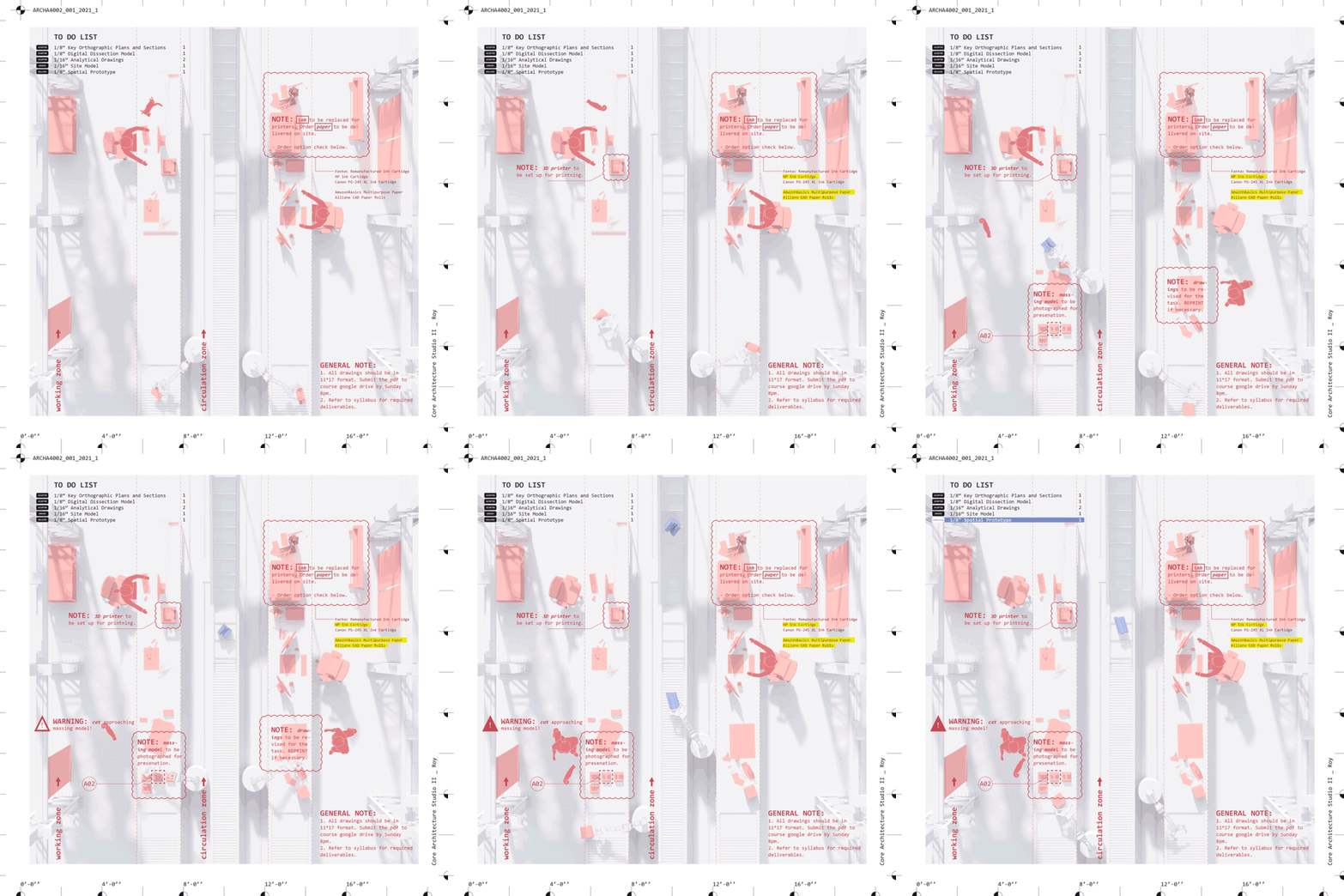
Daniel Chang, Rebecca Faris, Nicolas Andres Nefiodow Pineda
Lola Ben-Alon
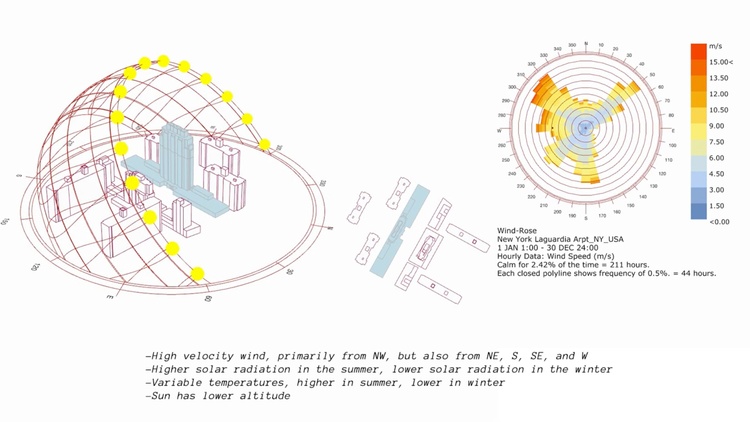
Overview
Columbia GSAPP’s Master of Architecture program is a three-year accredited professional degree program and is regularly ranked one of the top architecture graduate programs in the country. At GSAPP, architecture is understood as a form of knowledge inextricably linked to a broader context of environmental and global action—one that is oriented not towards what architecture is but towards what it could be. Today, the Master of Architecture program pushes this understanding of architectural experimentation and re-invention forward, with faculty and students weaving together critical discourse with technological skill, disciplinary expertise with expanded modes of practices, and design speculation with engagement in the issues of our time.
Building on the School’s recent commitment to advancing architecture alongside more global and contemporary perspectives, GSAPP’s Master of Architecture program has focused on expanding its design capacities, building practices, and discursive potentials. The program finds its strength in the diversity of its faculty and their approaches to architecture. Its pedagogy is, simultaneously, rigorously structured and constantly re-examined to respond to ever-changing contexts—welcoming the openness, inquisitiveness, and intellectual generosity that enable and foster new avenues for individual development and collective directions for the field.
The Master of Architecture is a designated STEM program eligible under the CIP (Classification of Instructional Programs) Code 04.0902: Architectural and Building Sciences/Technology. Learn more about STEM designation.
All Master of Architecture students must complete prerequisites before the start of the program. Please review the M.ARCH Prerequisites webpage for full details.
Curriculum
The Master of Architecture program is centered on the Architecture Design Studio and the three curricular sequences that orbit it: History and Theory, Visual Studies, and Building Tech. While the sequences run in parallel, they are also designed to be brought together at critical junctures: through the intersection of specific exercises and through broader project integration. Supplementing these main pedagogical tracks is an Elective sequence and a required Professional Practice course. Prior to graduation, students are required to submit a portfolio of representative work from each semester, which is evaluated by all studio faculty. Portfolio reviews are a hallmark event at the school and the top portfolios are awarded the most prestigious prizes at the annual Commencement Ceremony.
The Architecture Design Studio sequence is divided between Core and Advanced Studios. The Core Studios consists of the first three semesters. It is structured to build knowledge on the fundamentals of architectural design through the theme of “Architecture and the City” and through an inclusive and expansive understanding of history, cities, typology, and performance. Core I focuses on acquiring analytical and drawing skills; Core II tackles the design of an institutional building; and Core III concludes the sequence with the Housing Studio.
Advanced Studios consists of the last three semesters, with the last two composed of nearly eighteen studios that together explore new instruments, techniques, and formats of design across a multiplicity of existing realities. The studios function as laboratories for discussion, where students and critics practice new ways of mobilizing architectural concepts, programs, tools, and methods to intervene on specific layers of the everyday. After focusing on the problem of architectural practice and its agency in the world, from spring 2019, the sequence focuses on “Architecture and Environment” as a fundamental question for the field.
The History and Theory curriculum stresses a broad social and cultural approach to architectural history, with particular attention to emerging global concerns. Architectural history is seen in terms of a rich matrix of parameters—political, economic, artistic, technological, and discursive—that have had a role in shaping the discipline. Students are introduced to a range of subjects broadly distributed in both space (geography) and time (chronology), and are encouraged to think and work across categorical East-West and North-South distinctions and the asymmetries these binaries often reproduce, and to consider both continuity and change across 1800 as the threshold that marks the end of the European Enlightenment and the beginning of worldwide industrialization.
The Visual Studies curriculum registers how the visual in design has multiplied exponentially, especially by way of computation, and invites students and faculty to rethink how it intersects with pedagogy, projects, and practices. Through a careful survey of drawing’s new temporal nature, students discover methods to harness the potential of drawing, engage with today’s visual diversity, and communicate extraordinary visions. The sequence offers a wide range of tools and techniques designed to expose students to the potentials and limits of these tools and techniques and is divided into three broad sets of workshops: analysis/representation, design environments, and fabrication. This variety of possible trajectories promotes individual approaches to visualization and fosters invention.
The Building Tech curriculum is founded on the belief that the realities of building technology are integral to design exploration and experimentation, especially as computational power and data have become ubiquitous, and changes in manufacturing, materials, and information technologies are shaping new modes of thinking and making. Recognizing how performance—its measurement and verification—has become not only a primary function of architectural “solutions,” but also a generator of architectural concepts, the sequence aims to encourage critical and creative approaches to data and measurement and the discovery of new design opportunities and paradigms.
Core Design Studios
Mireia Luzárraga, Core I Coordinator
Marc Tsurumaki, Core II Coordinator
Hilary Sample, Core III Coordinator
At the GSAPP, the Core Design Studios introduce students to architecture through an inclusive understanding of history, cities, typology, and performance. Today, students engage the world through the increasingly global information on buildings, materials, structures, digital processes, media, and communications. These digital processes and networks that were once theorized have become a commonplace part of our contemporary world. As a result, architecture is less and less of an exclusive and autonomous profession. These social aspects are perhaps the hardest things to teach within a school, but remain a critical part of the Columbia GSAPP pedagogy.
The Core Studios are structured through a sequence of carefully constructed design studios where students increasingly gain new knowledge through making, implementing ideas and experimenting with the problems of architecture: from form to materials, from small to large scale, and from comfort to environment. Studios explore architecture within urban contexts from New York City and other cities around the world, situating experimental architectural thought within the world-at-large.
Rather than moving from the extra small to the large, the Core sequence builds in the small and the large in relation to one another throughout the first three semesters of the Master of Architecture sequence. After the first semester’s focus on acquiring analytical and drawing skills, Core II takes as a project the design of an institutional building, and Core III culminates in the housing studio. This semester serves not only as a conclusion to the core sequence but also as a transition to the Advanced Studios, specifically transitioning to the Advanced Studio IV: Scales of Environment.
While the studios are structured to present knowledge about fundamentals of architecture as they apply to design, from the scale of a house to that of a building or housing project, the core sequence aims to inspire a shift in thinking about architecture in relation to the world.
Advanced Design Studios
Ziad Jamaleddine, Advanced IV Coordinator
Mario Gooden, Advanced V & VI Coordinator
Lydia Kallipoliti, Advanced V & VI Coordinator
The Advanced Studios build on the ideas and skills developed in the Core Studios, and bring together students in the Master of Architecture and Master of Sciences in Advanced Architectural Design programs. These studios, which take place during the students’ final two semesters at the School, have always explored the future of architecture in a diversity of ways. Each studio creates its own world—with its own intersection of social, cultural, formal, material, economic, and environmental concerns—and students have almost 20 worlds to choose from. After selecting a studio, students conduct experiments and develop projects through concepts and massings, programs and forms, drawings and models, materials and atmospheres, metrics and narratives.
At the same time, the various students and faculty of the Advanced Studios engage in a shared discussion about the most interesting research, practice, ideas, and design of the built environment. Most recently, this shared discussion focused on the theme of “Global Practice,” and during the following spring it focused on “Architecture and Environment.” Global Practice covered design as the distinctive tool of architects in contributing to the construction of the future. It investigated the field’s extraordinary accumulation of essays and research that can be considered a cross-section of the present. Architecture and Environment built on the hypothesis that climate change is ground zero for a shared discussion about architecture’s engagement with the world. Responding to climate change involves not only technical aspects (such as energy consumption and carbon footprint) but also social and political aspects (such as inequality and public policy). In this context, the Advanced Studios were framed as a unique opportunity to address climate change at the scale of the building and to address climate change through design.
Throughout each semester, studio-wide sessions involve a series of conversations and resources for the studios to draw on, including external guest lectures, faculty project talks, and paired studio exchanges. This concludes with a Super-Crit session during which each studio shares a single student project and guest critics respond to the studio-wide themes and issues.
Building Tech
Lola Ben-Alon, Sequence Coordinator
Today, more than ever before, we realize the extent to which the design of healthier built environments by means of architectural design is critical for occupant-related outcomes. We spend more than 90% of our lives within architectural spaces, designed to create situated interactions between people, the environment, and the materials that surround them. With emerging global challenges of social and environmental equity that arise from resource scarcity and public health emergencies, novel approaches to making buildings more resource-efficient, comfortable, and affordable for all, are critical.
To this end, the Building Tech sequence is geared towards creating novel and radical experimental forms of technology, while celebrating the tactile interaction between people, materials, structures, and the built environments. The sequence covers a range of topics, from fabrication technologies and emerging healthy assemblies, through supply chain mechanisms of low-carbon and readily available building materials, to net zero and passive housing. The Building Tech elective course selection not only provides tools for performance analysis, but also to crafting new ways of understanding and imagining socially equitable and environmentally sound futures.
Also awaiting your discovery are the sequence event series. From the Tech Walks to the Tech Shops, the sequence offers events that converge lectures, street walking, software learning, and architecture technology and ecology in the local context of NYC. Focusing on the social and environmental impacts of building and urban technologies and narratives, the sequence event series include creative interventions with a revised outlook on social, cultural, and economic forces on building and ecological systems.
History and Theory
Reinhold Martin, Sequence Coordinator
The History and Theory of Architecture curriculum at Columbia GSAPP aims to develop a critical, historical consciousness among students preparing for diverse forms of architectural practice. Central to this is a worldly understanding, in depth and in breadth, of a complex cultural, social, ecological, and technological past. The bearing of that past on contemporary debates and practices is an important focus, as is the relation of architectural history to other disciplines. From the outset, the curriculum equips students with questions suited to ongoing inquiry into “global” or planetary history, with an emphasis on both continuity and change.
The process of critical inquiry begins in the first year, with the two-semester core sequence, “Questions in Architectural History,” focused on the interaction of architecture and modernity across two centuries and taught by a group of senior history and theory faculty. In addition to introducing students to key examples, themes, and relationships, the course asks whose history is being studied, how, and why. The sequence continues into the second and third years with a series of distribution requirements that allow students to pursue selected topics in greater depth, while ensuring exposure to a range of geographically, culturally, and historically diverse contexts and subject matter. Students may also take related courses in humanities departments across the University to meet or supplement these requirements.
Computation and Representation
Laura Kurgan, Computation Sequence Coordinator
Amelyn Ng, Representation Sequence Coordinator
Visualization is never just presentation—it is a way of thinking, designing, and drawing spaces at all scales. In a series of courses across all programs, the Computation and Representation sequences expose students to a wide range of tools and techniques and foregrounds both their uses and their limits. The sequences seek to initiate interdisciplinary dialogues across the school and address the dynamic nature of our visual culture.
The courses and workshops are divided into two broad sets of methods in representation and computation. The variety of trajectories possible within the sequence of classes—required and elective—promotes an individual exploration of visualization, fostering innovation and creative methods. Courses are either full semester (3 credits) or half semester (7 weeks, 1.5 credits). Teaching generally follows a “flipped classroom” format with students acquiring skills in tutorials outside of class and devoting class work to methodological and creative discussions exploring the limits and underlying concepts which guide those techniques.
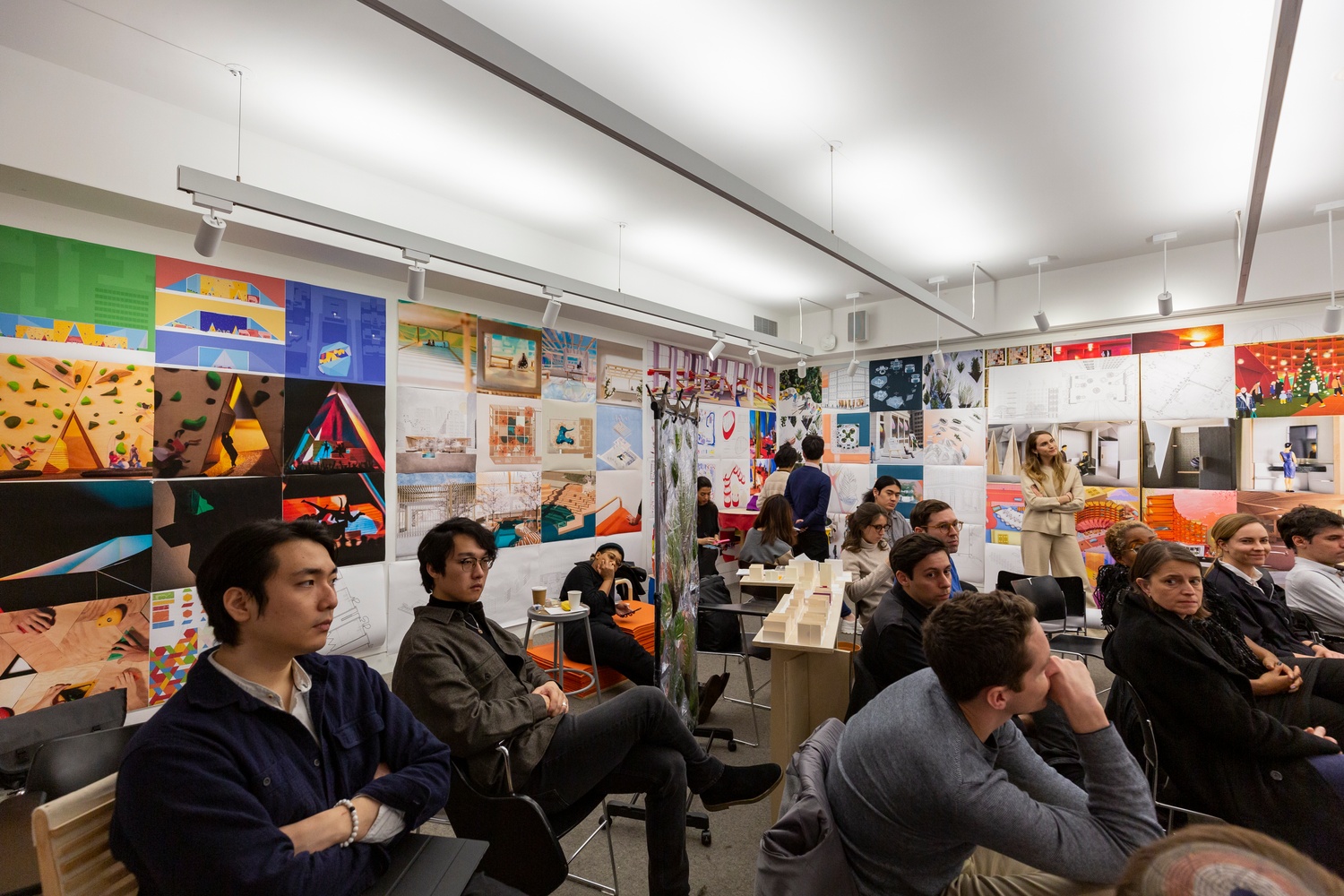
Fall 2019 Reviews
Core I Studio
Critic: Lindsey Wikstrom
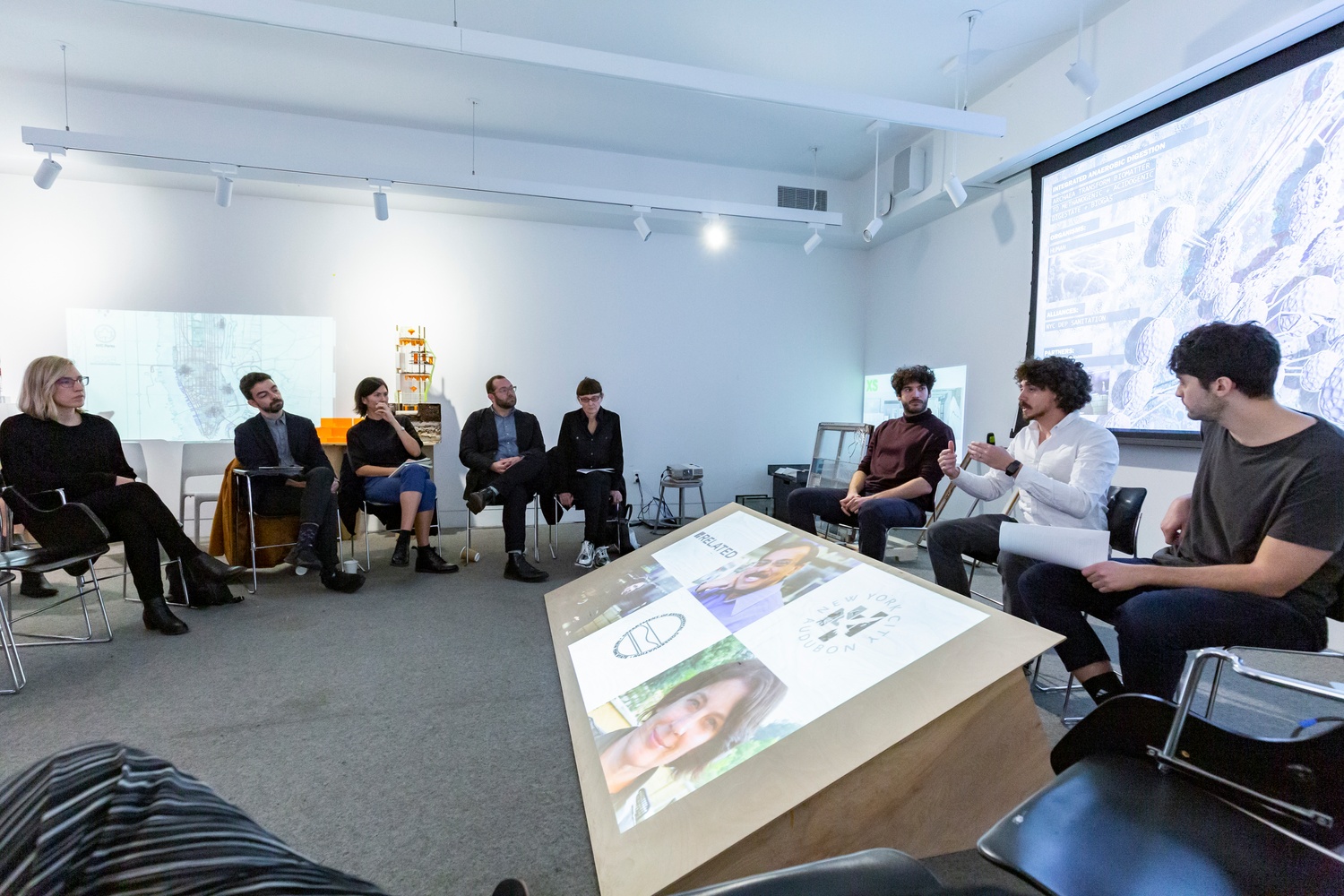
Fall 2019 Reviews
Advanced V Studio
Critic: Andrés Jaque
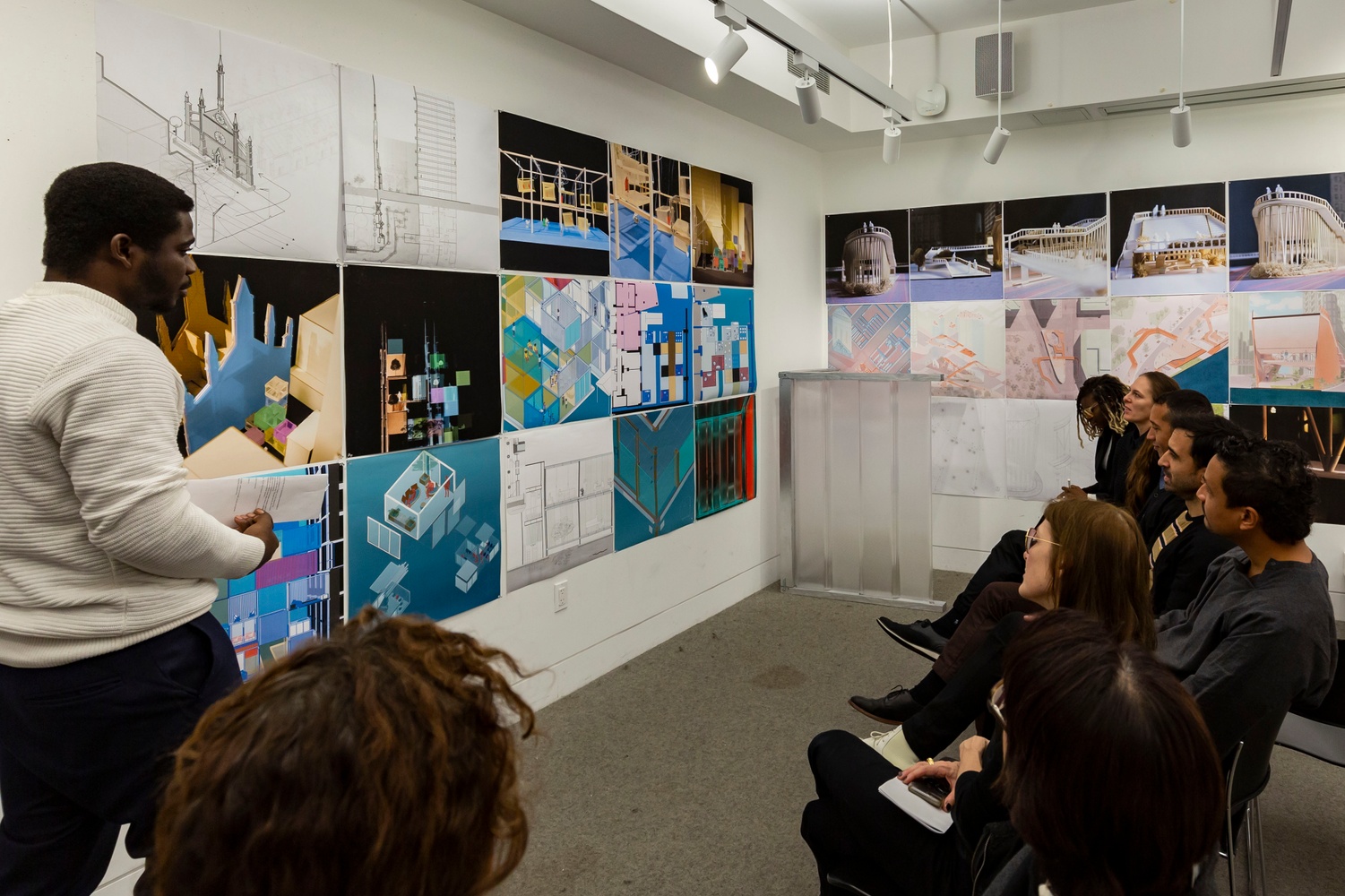
Fall 2019 Reviews
Core I Studio
Critic: Amina Blacksher
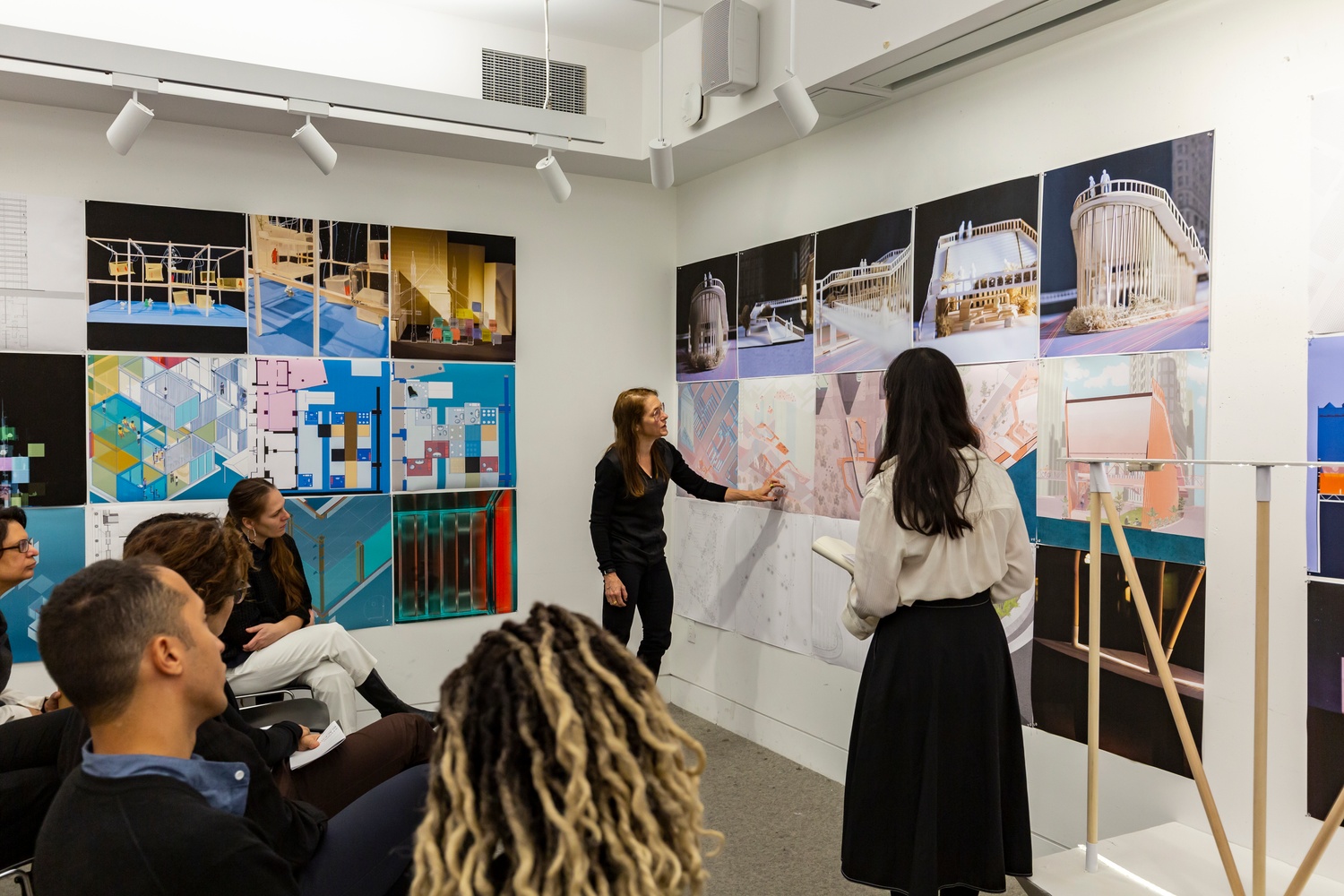
Fall 2019 Reviews
Core I Studio
Critic: Amina Blacksher
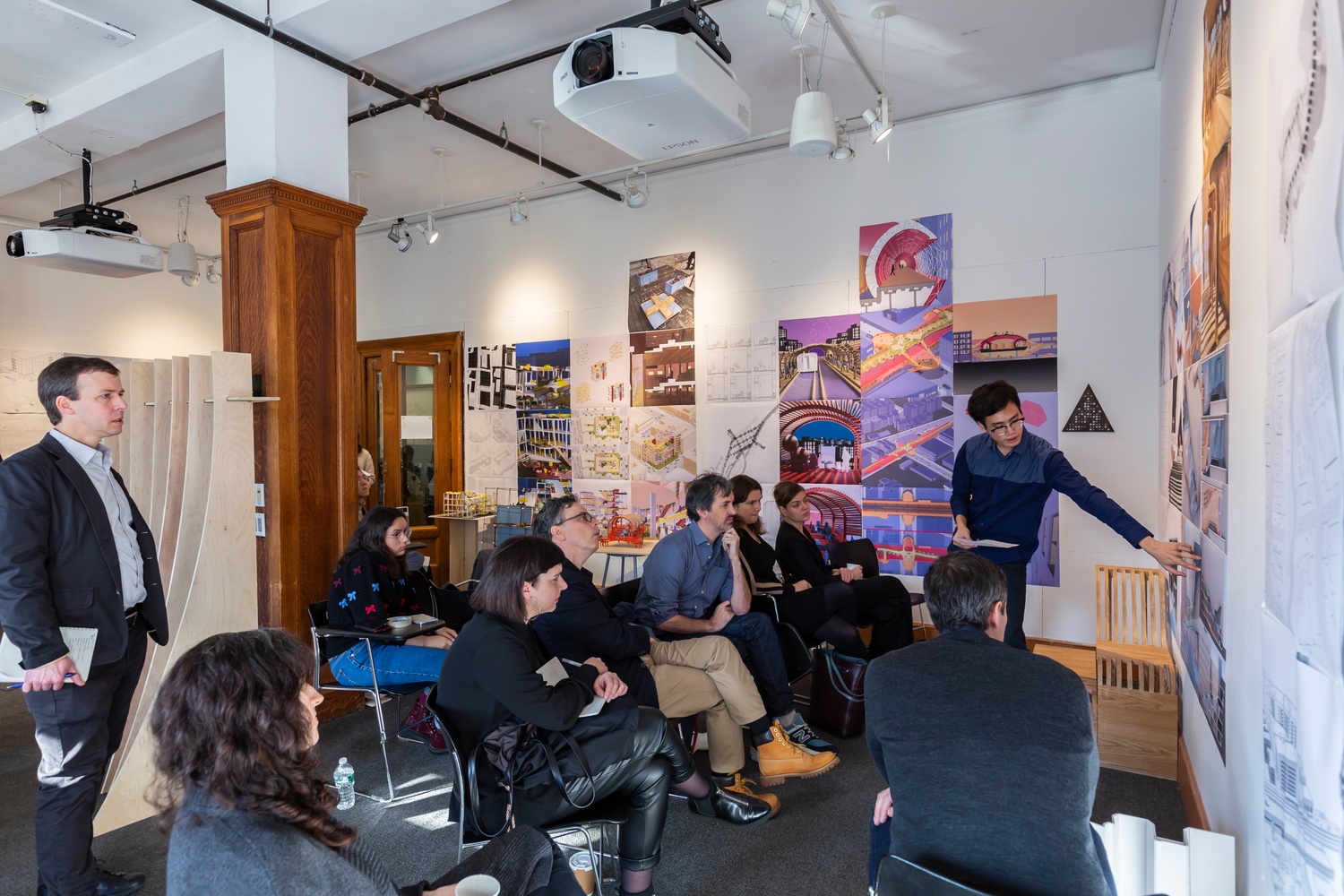
Fall 2019 Reviews
Core I Studio
Critic: Joshua Uhl
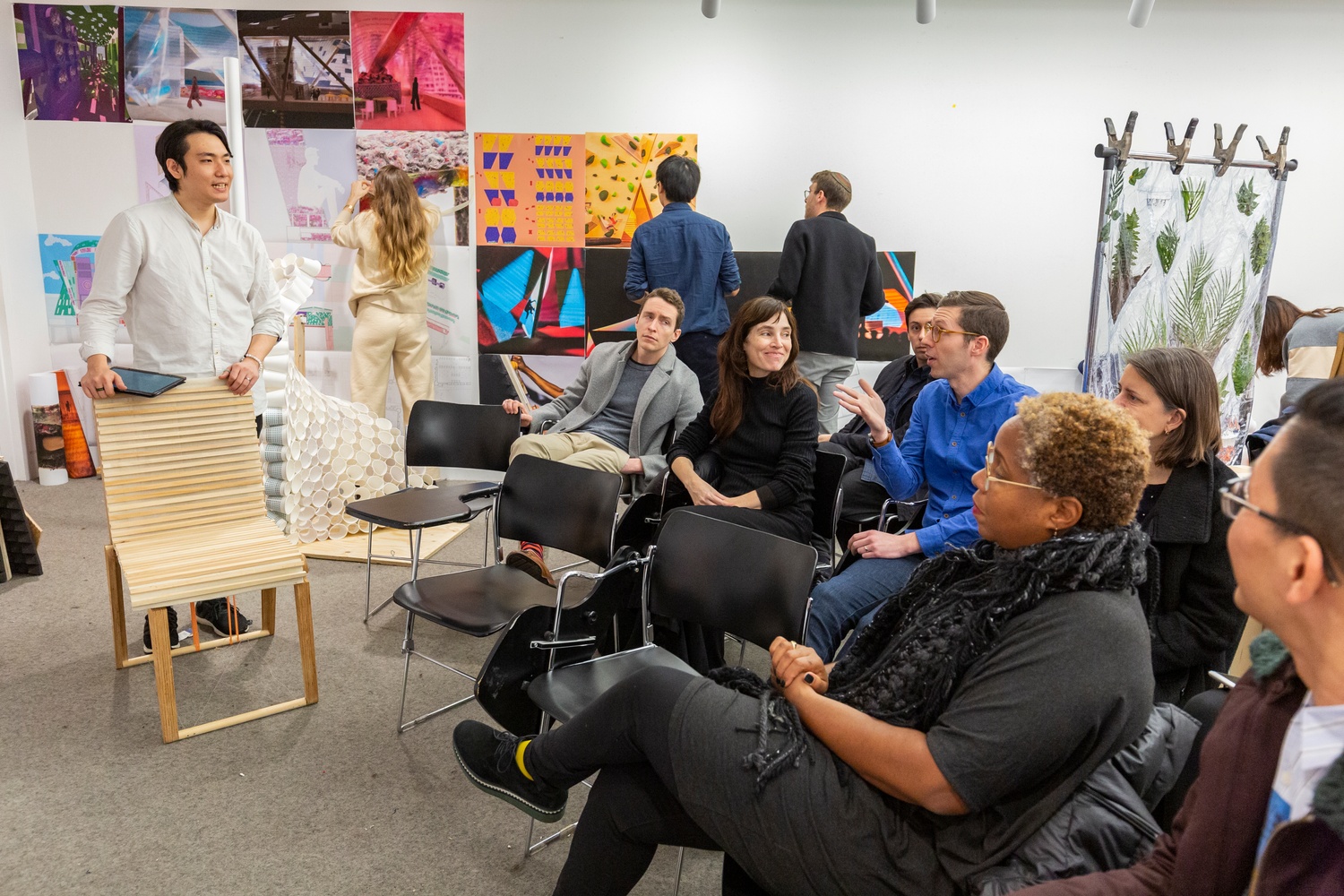
Fall 2019 Reviews
Core I Studio
Critic: Lindsey Wikstrom
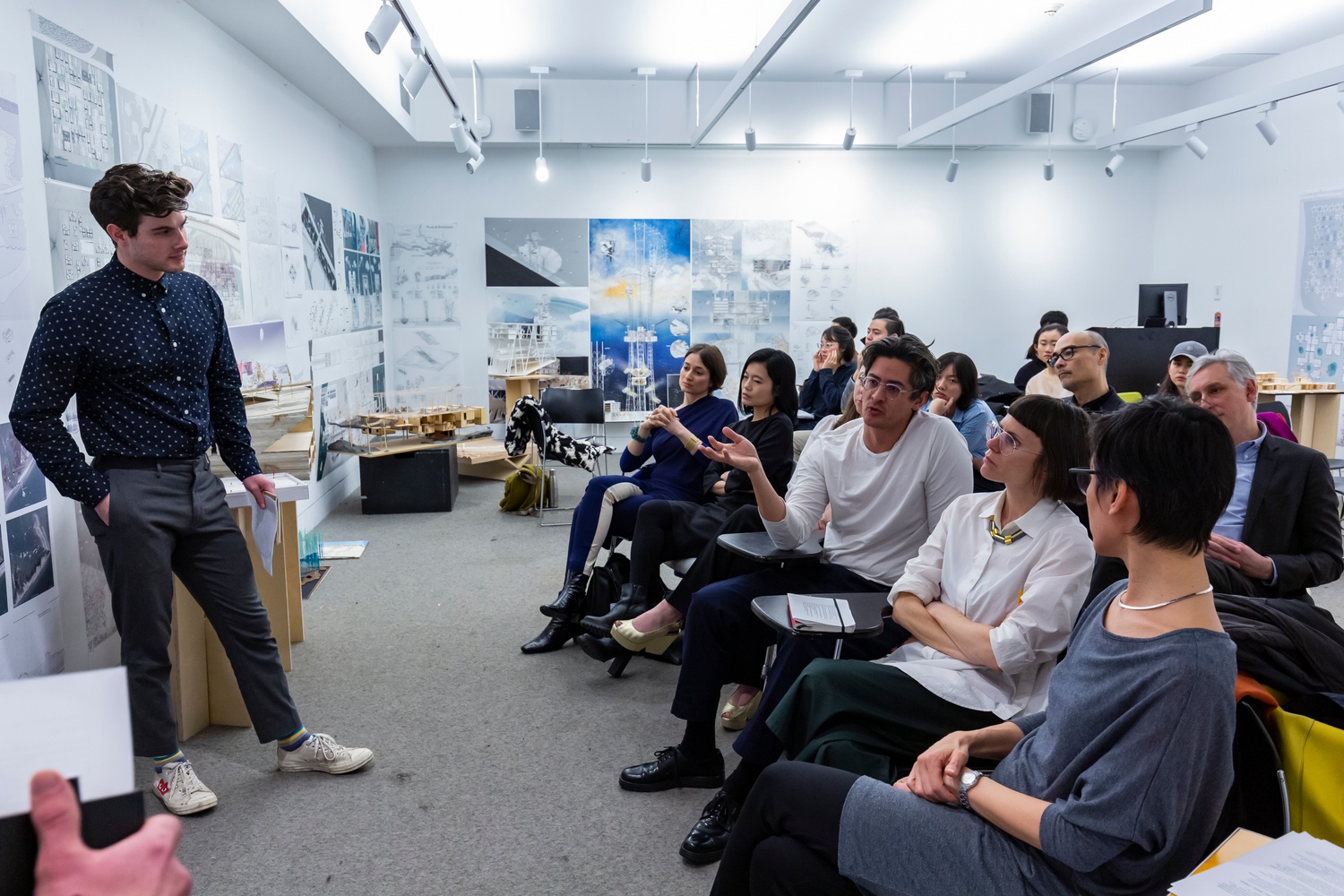
Fall 2019 Reviews
Advanced V Studio
Critic: Phu Hoang Hoang
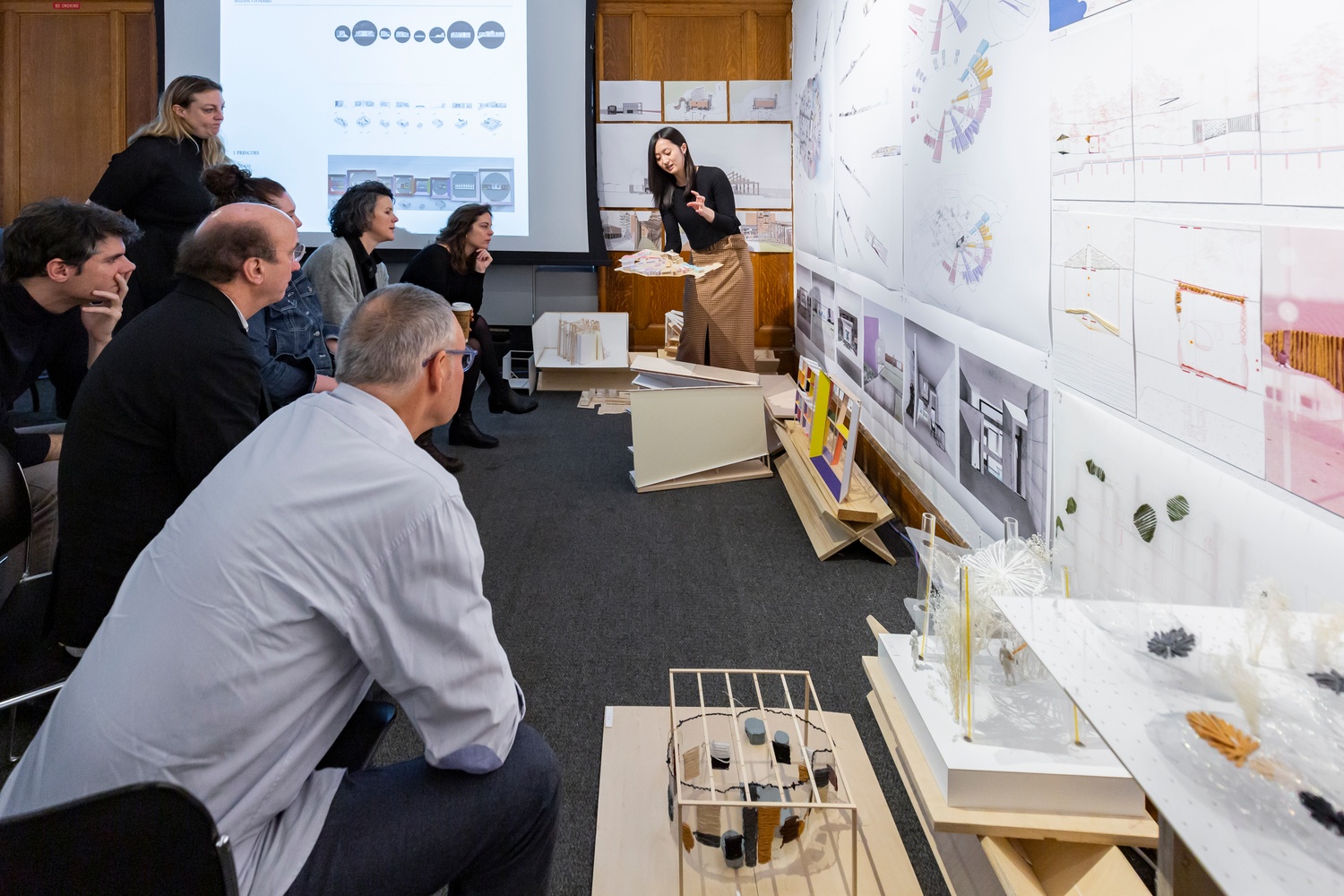
Fall 2019 Reviews
Advanced V Studio
Critic: Tatiana von Preussen, Catherine Pease, Jessica Reynolds
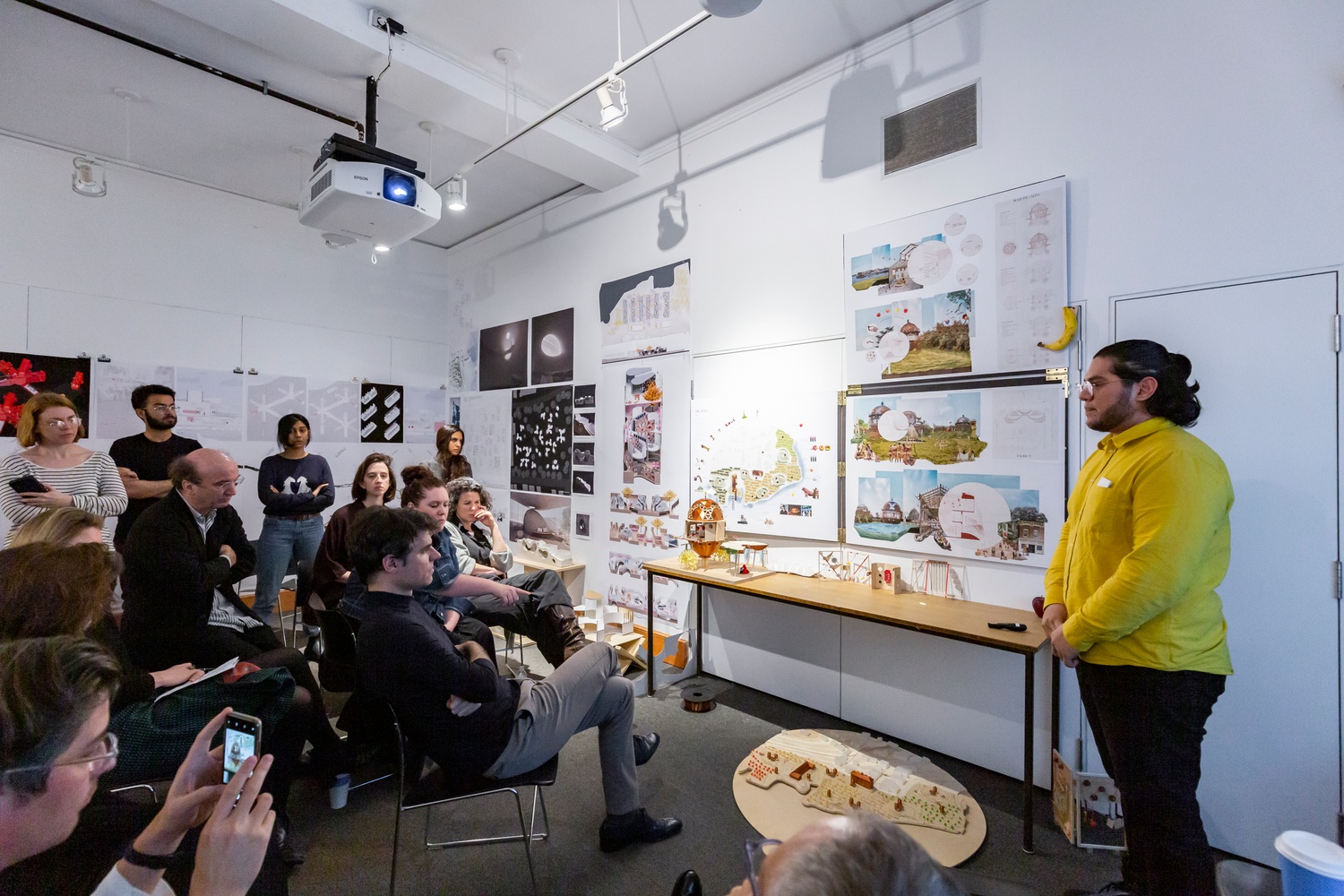
Fall 2019 Reviews
Advanced V Studio
Critic: Tatiana von Preussen, Catherine Pease, Jessica Reynolds
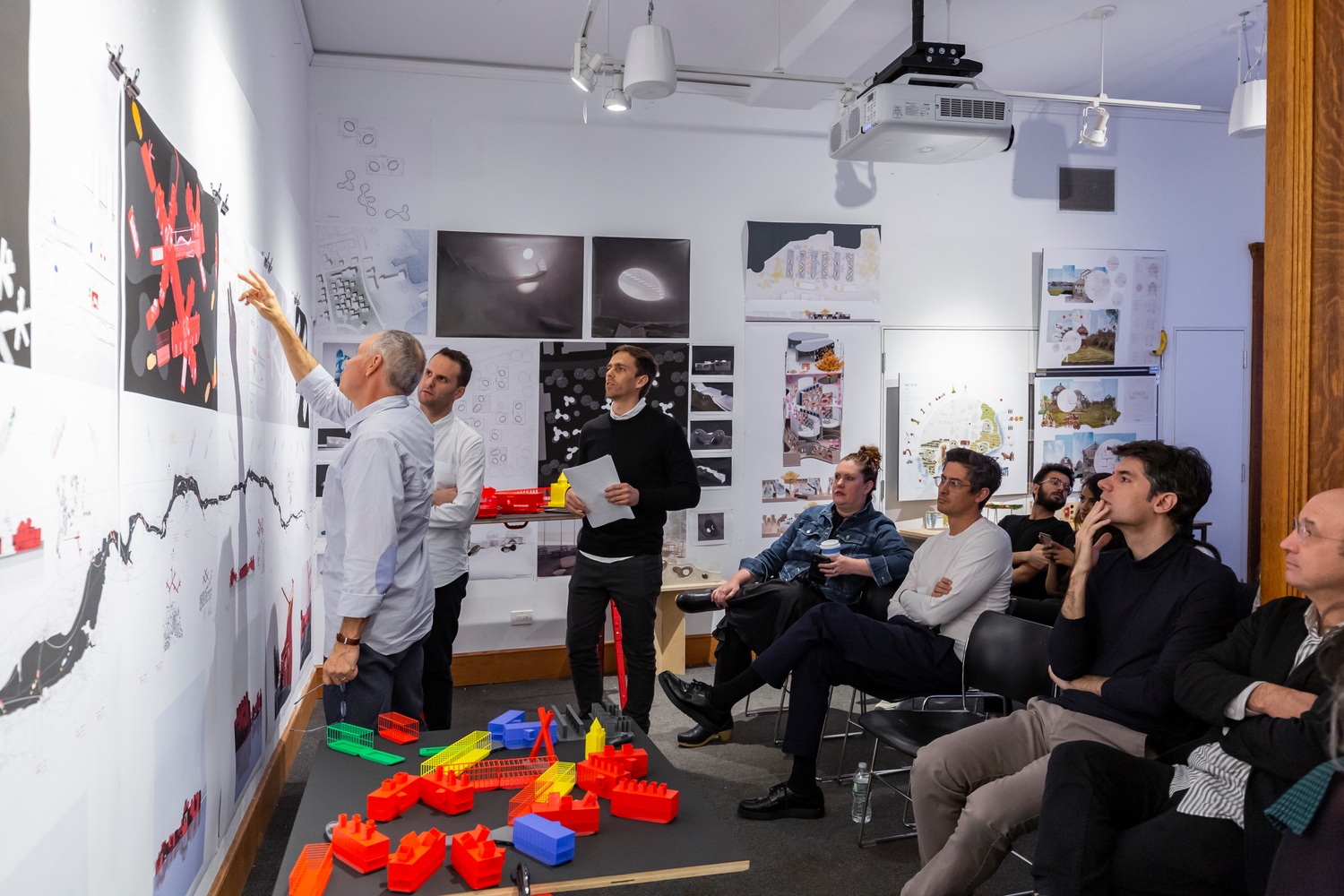
Fall 2019 Reviews
Advanced V Studio
Critic: Tatiana von Preussen, Catherine Pease, Jessica Reynolds
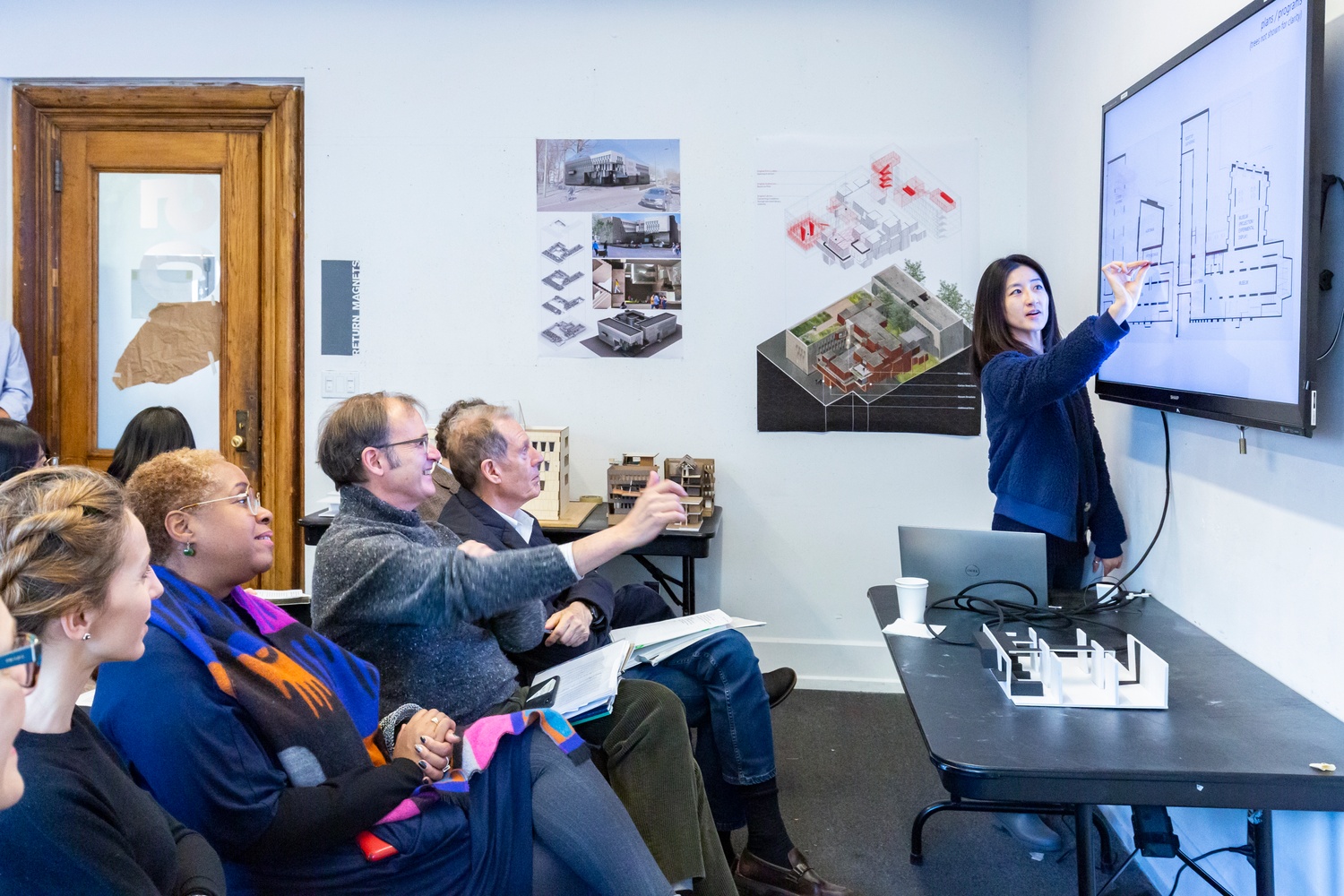
Fall 2019 Reviews
Advanced V Studio
Critic: Mark Rakatansky and Kim Yao
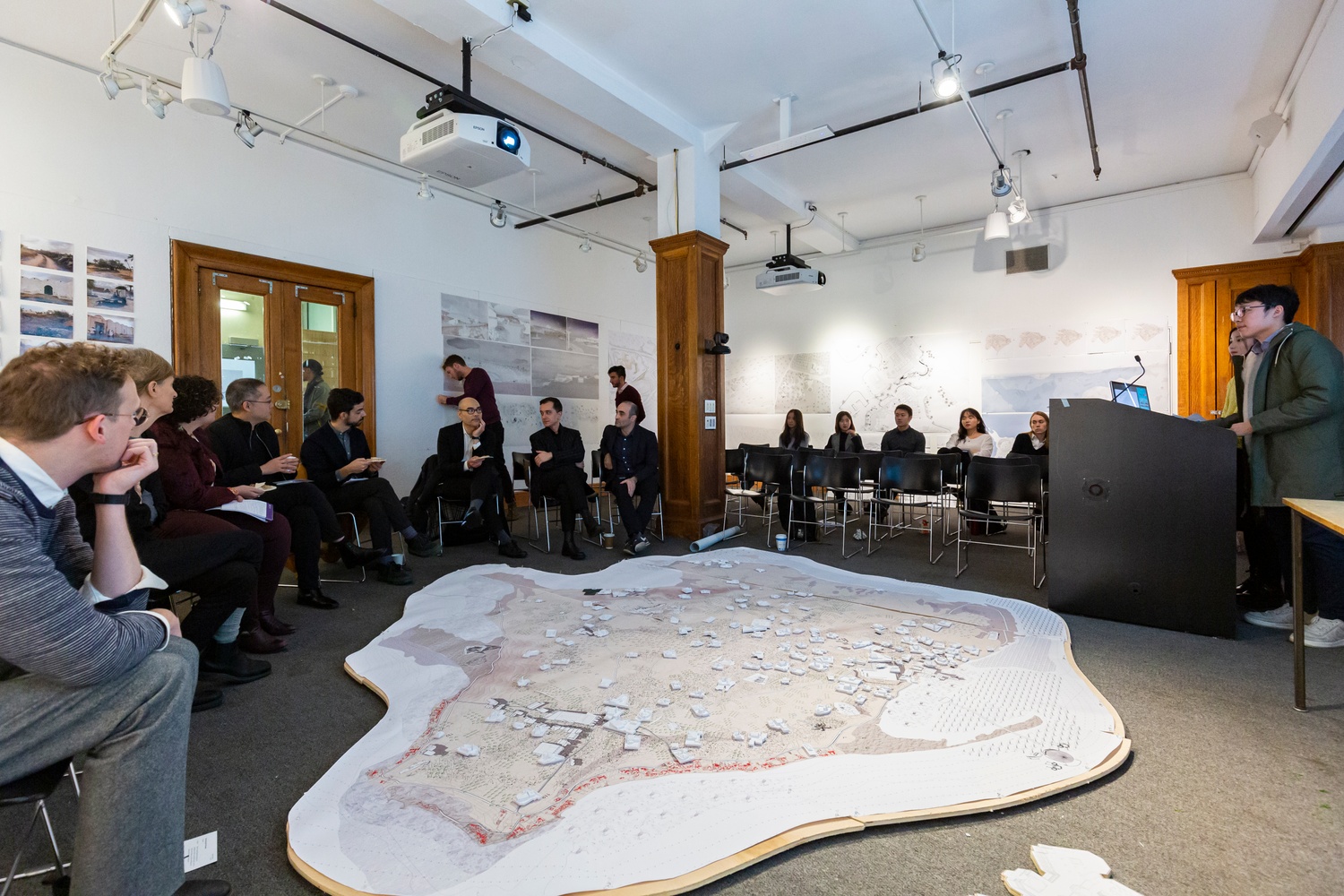
Fall 2019 Reviews
Advanced V Studio
Critic: Ziad Jamaleddine
Current Faculty
Spring 2026 Courses
| Course | Semester | Title | Student Work | Instructor | Syllabus | Requirements & Sequence | Location & Time | Session & Points | Call No. |
|---|---|---|---|---|---|---|---|---|---|
| ARCH4002‑1 | Spring 2026 |
Core Architecture Studio II
|
David Benjamin |
M.Arch I Only |
500 Avery North
M, W, F 2 PM - 6 PM
|
Full Semester
9 Points
|
11537 | ||
| ARCH4004‑1 | Spring 2026 |
Advanced Studio IV
|
Ziad Jamaleddine |
M.Arch II Only |
500 Avery South, 114 Avery
M, TH 1:30 PM - 6:30 PM, W 1:30 PM - 3:30 PM
|
Full Semester
9 Points
|
11545 | ||
| ARCH4024‑1 | Spring 2026 |
Architectural Drawing & Representation II
|
Amelyn Ng, Lorenzo Villaggi, Stella Ioannidou, Zachary White |
M.Arch I Only |
113 Avery, Ware Lounge, 504 + 505 Avery, 300 Buell North
TU 9 AM - 1 PM
|
Full Semester
3 Points
|
12305 | ||
| ARCH4102‑1 | Spring 2026 |
Architecture Studio II
|
Kaja Kühl |
M.Arch I Only |
500 Avery North
M, W, F 2 PM - 6 PM
|
Full Semester
0 Points
|
11538 | ||
| ARCH4102‑2 | Spring 2026 |
Architecture Studio II
|
David Benjamin |
M.Arch I Only |
500 Avery North
M, W, F 2 PM - 6 PM
|
Full Semester
0 Points
|
11539 | ||
| ARCH4102‑3 | Spring 2026 |
Architecture Studio II
|
Chas Peppers |
M.Arch I Only |
500 Avery North
M, W, F 2 PM - 6 PM
|
Full Semester
0 Points
|
11540 | ||
| ARCH4102‑4 | Spring 2026 |
Architecture Studio II
|
Christopher Gardner |
M.Arch I Only |
500 Avery North
M, W, F 2 PM - 6 PM
|
Full Semester
0 Points
|
11541 | ||
| ARCH4102‑5 | Spring 2026 |
Architecture Studio II
|
Regina Teng |
M.Arch I Only |
500 Avery North
M, W, F 2 PM - 6 PM
|
Full Semester
0 Points
|
11542 | ||
| ARCH4102‑6 | Spring 2026 |
Architecture Studio II
|
Maria Rius Ruiz |
M.Arch I Only |
500 Avery North
M, W, F 2 PM - 6 PM
|
Full Semester
0 Points
|
11543 | ||
| ARCH4102‑7 | Spring 2026 |
Architecture Studio II
|
Rosalie Genevro |
M.Arch I Only |
500 Avery North
M, W, F 2 PM - 6 PM
|
Full Semester
0 Points
|
11544 | ||
| ARCH4104‑1 | Spring 2026 |
Architecture Studio IV
|
Ziad Jamaleddine |
M.Arch II Only |
500 Avery South, 114 Avery
M, TH 1:30 PM - 6:30 PM, W 1:30 PM - 3:30 PM
|
Full Semester
0 Points
|
11547 | ||
| ARCH4104‑2 | Spring 2026 |
Architecture Studio IV
|
Alessandro Orsini |
M.Arch II Only |
500 Avery South, 114 Avery
M, TH 1:30 PM - 6:30 PM, W 1:30 PM - 3:30 PM
|
Full Semester
0 Points
|
11548 | ||
| ARCH4104‑3 | Spring 2026 |
Architecture Studio IV
|
Rachely Rotem |
M.Arch II Only |
500 Avery South
M, TH 1:30 PM - 6:30 PM, W 1:30 PM - 3:30 PM
|
Full Semester
0 Points
|
11549 | ||
| ARCH4104‑4 | Spring 2026 |
Architecture Studio IV
|
M.Arch II Only |
500 Avery South, 114 Avery
M, TH 1:30 PM - 6:30 PM, W 1:30 PM - 3:30 PM
|
Full Semester
0 Points
|
11550 | |||
| ARCH4104‑5 | Spring 2026 |
Architecture Studio IV
|
Maria Alejandra Linares Trelles |
M.Arch II Only |
500 Avery South, 114 Avery
M, TH 1:30 PM - 6:30 PM, W 1:30 PM - 3:30 PM
|
Full Semester
0 Points
|
11551 | ||
| ARCH4104‑6 | Spring 2026 |
Architecture Studio IV
|
Amale Andraos |
M.Arch II Only |
500 Avery South, 114 Avery
M, TH 1:30 PM - 6:30 PM, W 1:30 PM - 3:30 PM
|
Full Semester
0 Points
|
11552 | ||
| ARCH4104‑7 | Spring 2026 |
Architecture Studio IV
|
Robert Marino |
M.Arch II Only |
500 Avery South, 114 Avery
M, TH 1:30 PM - 6:30 PM, W 1:30 PM - 3:30 PM
|
Full Semester
0 Points
|
11553 | ||
| ARCH4104‑8 | Spring 2026 |
Architecture Studio IV
|
Håvard Breivik-Khan |
M.Arch II Only |
500 Avery South, 114 Avery
M, TH 1:30 PM - 6:30 PM, W 1:30 PM - 3:30 PM
|
Full Semester
0 Points
|
11554 | ||
| ARCH4112‑1 | Spring 2026 |
TECH II: Structures in Architecture
|
Zak Kostura, Hermona Tamrat |
M.Arch I Only |
114 Avery
TH 9 AM - 12 PM
|
Full Semester
3 Points
|
12083 | ||
| ARCH4115‑1 | Spring 2026 |
TECH V: Construction + Life Cycle Systems
|
Lola Ben-Alon |
M.Arch II Only |
114 Avery, 412 Avery, 504 Avery + 505 Avery, 200 Buell North
TU 1:30 PM - 4:30 PM
|
Full Semester
3 Points
|
12084 | ||
| ARCH4349‑1 | Spring 2026 |
Questions in Architectural History II
|
Mark Wigley |
M.Arch I Only |
300 Buell South
W 11 AM - 1 PM
|
Full Semester
3 Points
|
12098 | ||
| ARCH4349‑2 | Spring 2026 |
Questions in Architectural History II
|
Nader Vossoughian |
M.Arch I Only |
409 Avery
W 11 AM - 1 PM
|
Full Semester
3 Points
|
12099 | ||
| ARCH4349‑3 | Spring 2026 |
Questions in Architectural History II
|
Ateya Khorakiwala |
M.Arch I Only |
115 Avery
11 AM - 1 PM
|
Full Semester
3 Points
|
12100 | ||
| ARCH4883‑1 | Spring 2026 |
Architectures of and for the More-Than-Human
|
Mireia Luzárraga |
115 Avery
TH 9 AM - 11 AM
|
Full Semester
3 Points
|
12067 | |||
| ARCH4006‑1 | Spring 2026 |
Advanced Studio VI
|
Marc Tsurumaki, Lydia Kallipoliti |
AAD + M.Arch III Only |
600 + 700 Avery, 113 Avery
M, TH 1:30 PM - 6:30 PM, W 1:30 PM - 3:30 PM
|
Full Semester
9 Points
|
11560 | ||
| ARCH4106‑1 | Spring 2026 |
Architecture Studio VI
|
Marc Tsurumaki |
AAD + M.Arch III Only |
600 + 700 Avery, 113 Avery
M, TH 1:30 PM - 6:30 PM, W 1:30 PM - 3:30 PM
|
Full Semester
0 Points
|
11565 | ||
| ARCH4106‑2 | Spring 2026 |
Architecture Studio VI
|
Takaharu Tezuka, Yui Tezuka, Abraham Murrell |
AAD + M.Arch III Only |
600 + 700 Avery, 113 Avery
M, TH 1:30 PM - 6:30 PM, W 1:30 PM - 3:30 PM
|
Full Semester
0 Points
|
11566 | ||
| ARCH4106‑3 | Spring 2026 |
Architecture Studio VI
|
Karla Rothstein |
AAD + M.Arch III Only |
600 + 700 Avery, 113 Avery
M, TH 1:30 PM - 6:30 PM, W 1:30 PM - 3:30 PM
|
Full Semester
0 Points
|
11567 | ||
| ARCH4106‑4 | Spring 2026 |
Architecture Studio VI
|
Galia Solomonoff |
AAD + M.Arch III Only |
600 + 700 Avery, 113 Avery
M, TH 1:30 PM - 6:30 PM, W 1:30 PM - 3:30 PM
|
Full Semester
0 Points
|
11568 | ||
| ARCH4106‑5 | Spring 2026 |
Architecture Studio VI
|
Lydia Kallipoliti |
AAD + M.Arch III Only |
600 + 700 Avery, 113 Avery
M, TH 1:30 PM - 6:30 PM, W 1:30 PM - 3:30 PM
|
Full Semester
0 Points
|
11569 | ||
| ARCH4106‑6 | Spring 2026 |
Architecture Studio VI
|
Mireia Luzárraga |
AAD + M.Arch III Only |
600 + 700 Avery, 113 Avery
M, TH 1:30 PM - 6:30 PM, W 1:30 PM - 3:30 PM
|
Full Semester
0 Points
|
11570 | ||
| ARCH4106‑7 | Spring 2026 |
Architecture Studio VI - Clinic
|
Ala Tannir |
AAD + M.Arch III Only |
600 + 700 Avery, 113 Avery
M, TH 1:30 PM - 6:30 PM, W 1:30 PM - 3:30 PM
|
Full Semester
0 Points
|
11572 | ||
| ARCH4106‑8 | Spring 2026 |
Architecture Studio VI
|
Jayden Ali, Chloe Munkenbeck |
AAD + M.Arch III Only |
600 + 700 Avery, 113 Avery
M, TH 1:30 PM - 6:30 PM, W 1:30 PM - 3:30 PM
|
Full Semester
0 Points
|
11573 | ||
| ARCH4106‑9 | Spring 2026 |
Architecture Studio VI
|
Fernanda Canales, Foteini Kallikouni |
AAD + M.Arch III Only |
600 + 700 Avery, 113 Avery
M, TH 1:30 PM - 6:30 PM, W 1:30 PM - 3:30 PM
|
Full Semester
0 Points
|
11574 | ||
| ARCH4106‑10 | Spring 2026 |
Architecture Studio VI
|
Harold Fallon, Emily Ruopp |
AAD + M.Arch III Only |
600 + 700 Avery, 113 Avery
M, TH 1:30 PM - 6:30 PM, W 1:30 PM - 3:30 PM
|
Full Semester
0 Points
|
11576 | ||
| ARCH4106‑11 | Spring 2026 |
Architecture Studio VI
|
AAD + M.Arch III Only |
600 + 700 Avery, 113 Avery
M, TH 1:30 PM - 6:30 PM, W 1:30 PM - 3:30 PM
|
Full Semester
0 Points
|
11577 | |||
| ARCH4106‑12 | Spring 2026 |
Architecture Studio VI
|
AAD + M.Arch III Only |
600 + 700 Avery
M, TH 1:30 PM - 6:30 PM, W 1:30 PM - 3:30 PM
|
Full Semester
0 Points
|
11578 | |||
| ARCH4106‑13 | Spring 2026 |
Architecture Studio VI
|
Juan Herreros, Aistyara Shaning |
AAD + M.Arch III Only |
600 + 700 Avery, 113 Avery
M, TH 1:30 PM - 6:30 PM, W 1:30 PM - 3:30 PM
|
Full Semester
0 Points
|
11579 | ||
| ARCH4106‑14 | Spring 2026 |
Architecture Studio VI
|
Mark Wasiuta |
AAD + M.Arch III Only |
600 + 700 Avery, 113 Avery
M, TH 1:30 PM - 6:30 PM, W 1:30 PM - 3:30 PM
|
Full Semester
0 Points
|
11580 | ||
| ARCH4106‑15 | Spring 2026 |
Architecture Studio VI
|
Steven Holl, Garrick Ambrose |
AAD + M.Arch III Only |
600 + 700 Avery, 113 Avery
M, TH 1:30 PM - 6:30 PM, W 1:30 PM - 3:30 PM
|
Full Semester
0 Points
|
11581 | ||
| ARCH4106‑16 | Spring 2026 |
Architecture Studio VI
|
Hilary Sample |
AAD + M.Arch III Only |
600 + 700 Avery, 113 Avery
M, TH 1:30 PM - 6:30 PM, W 1:30 PM - 3:30 PM
|
Full Semester
0 Points
|
11582 | ||
| ARCH4106‑17 | Spring 2026 |
Architecture Studio VI
|
Jing Liu |
AAD + M.Arch III Only |
600 + 700 Avery, 113 Avery
M, TH 1:30 PM - 6:30 PM, W 1:30 PM - 3:30 PM
|
Full Semester
0 Points
|
11583 | ||
| ARCH4050‑1 | Spring 2026 |
Arch Elective Internship
|
Karen Cover |
With approval via application only |
N/A
N/A
|
Full Semester
1.5 Points
|
11585 | ||
| ARCH6786‑1 | Spring 2026 |
Conservation of Concrete, Cast Stone & Mortar
|
Norman Weiss, Heather Hartshorn |
Preservation Technology Lab (655 Schermerhorn)
TU 3:30 PM - 6:30 PM
|
Session B
1.5 Points
|
14174 | |||
| ARCH6900‑1 | Spring 2026 |
Research I
|
Danielle Smoller |
Individual Study |
N/A
N/A
|
Full Semester
2-3 Points
|
12068 | ||
| ARCH6947‑1 | Spring 2026 |
Designing Spaces for Children
|
Anna Knoell |
300 Buell South
TU 9 AM - 11 AM
|
Full Semester
3 Points
|
12097 | |||
| PLAN6831‑1 | Spring 2026 |
MSRED Studio Clinic - Kokrobitey Sands: An Integrated Design and Development Plan for West African Institute
|
Adam Lubinsky |
Instructor Approval |
203 Fayerweather
F 12 PM - 2 PM
|
Full Semester
3 Points
|
12056 | ||
| ARCH4063‑1 | Spring 2026 |
Spatial Data Narratives
|
Josh Begley |
300 Buell South
W 7 PM - 9 PM
|
Full Semester
3 Points
|
12379 | |||
| ARCH4124‑1 | Spring 2026 |
Modern Building Technology
|
Theodore Prudon |
Preservation Technology Lab (655 Schermerhorn)
F 9 AM - 11 AM
|
Full Semester
3 Points
|
12447 | |||
| ARCH4324‑1 | Spring 2026 |
Climate Justice + Digital Reenactments
|
Catherine Griffiths | Syllabus |
115 Avery
M 11 AM - 1 PM
|
Full Semester
3 Points Points
|
12402 | ||
| ARCH4325‑1 | Spring 2026 |
Multi Graphics & Representation
|
Wael Morcos |
505 Avery
W 11 AM - 1 PM
|
Full Semester
3 Points
|
12306 | |||
| ARCH4327‑1 | Spring 2026 |
Waste/Works
|
Amelyn Ng |
504 Avery
W 11 AM - 1 PM
|
Full Semester
3 Points
|
12307 | |||
| ARCH4334‑1 | Spring 2026 |
Modern American Architecture
|
Jorge Otero-Pailos |
300 Buell South
W 3 PM - 5 PM
|
Full Semester
3 Points
|
12459 | |||
| ARCH4407‑1 | Spring 2026 |
Methods in Spatial Research
|
Adam Vosburgh |
300 Buell South
F 9 AM - 11 AM
|
Full Semester
3 Points
|
15512 | |||
| ARCH4427‑1 | Spring 2026 |
Architecture Apropos Art
|
Steven Holl, Dimitra Tsachrelia |
Ware Lounge (600 Avery)
TH 11 AM - 1 PM
|
Full Semester
3 Points
|
12058 | |||
| ARCH4432‑1 | Spring 2026 |
Nervous Systems
|
Lindy Roy |
200 Buell North
W 11 AM - 1 PM
|
Full Semester
3 Points
|
12060 | |||
| ARCH4507‑1 | Spring 2026 |
Unorthodox Practices 3: Practice as a Project
|
Juan Herreros |
408 Avery
TH 9 AM - 11 AM
|
Full Semester
3 Points
|
12064 | |||
| ARCH4618‑1 | Spring 2026 |
Architecture: The Contemporary (Ideas and Concepts from 1968 to the Present)
|
Bernard Tschumi, Deniz Mahir Dagtekin |
412 Avery
TH 11 AM - 1 PM
|
Full Semester
3 Points
|
12240 | |||
| ARCH4642‑1 | Spring 2026 |
Contested Grounds: The Spatial Politics of Memory
|
Mabel O. Wilson |
200 Buell North
TU 11 AM - 1 PM
|
Full Semester
3 Points
|
12242 | |||
| ARCH4715‑1 | Spring 2026 |
Re-Thinking BIM
|
Joseph Brennan |
200 Buell North
M 9 AM - 11 AM
|
Full Semester
3 Points
|
12407 | |||
| ARCH4716‑1 | Spring 2026 |
Graphic Architecture Project I: Design and Typography
|
Yoonjai Choi |
115 Avery
TU 3 PM - 6 PM
|
Full Semester
3 Points
|
12315 | |||
| ARCH4778‑1 | Spring 2026 |
Metatool
|
Dan Taeyoung |
Ware Lounge (600 Avery)
W 9 AM - 11 AM
|
Full Semester
3 Points
|
12427 | |||
| ARCH4839‑1 | Spring 2026 |
Building Conditions Assessment
|
Kyle Normandin |
Preservation Technology Lab (655 Schermerhorn)
TU 3:30 PM - 6:30 PM
|
Session A
1.5 Points
|
14160 | |||
| ARCH4845‑1 | Spring 2026 |
Generative Design I
|
Danil Nagy |
115 Avery
TU 9 AM - 11 AM
|
Full Semester
3 Points
|
12412 | |||
| ARCH4861‑1 | Spring 2026 |
Footprint: Carbon and Design
|
David Benjamin |
409 Avery
M 11 AM - 1 PM
|
Full Semester
3 Points
|
12086 | |||
| ARCH4880‑1 | Spring 2026 |
Making Senses
|
James Nanasca |
115 Avery
W 9 AM - 11 AM
|
Full Semester
3 Points
|
12087 | |||
| ARCH4891‑1 | Spring 2026 |
Designing Affordability: Housing, Design and Finance
|
Galia Solomonoff |
209 Fayerweather
TH 11 AM - 1 PM
|
Full Semester
3 Points
|
19617 | |||
| ARCH4980‑1 | Spring 2026 |
Virtual Architecture: World Building and Virtual Reality Workshop
|
Nitzan Bartov |
Ware Lounge (600 Avery)
M 9 AM - 11 AM
|
Session A
1.5 Points
|
14411 | |||
| ARCH4990‑1 | Spring 2026 |
Performance
|
Jonathan González |
409 Avery
M 9 AM - 11 AM
|
Full Semester
3 Points
|
14404 | |||
| ARCH4995‑1 | Spring 2026 |
Power Tools
|
Jelisa Blumberg |
200 Buell North
M 11 AM - 1 PM
|
Full Semester
3 Points
|
12317 | |||
| ARCH4996‑1 | Spring 2026 |
Physical Computation
|
Daniel Leithinger |
505 Avery
TH 11 AM - 1 PM
|
Full Semester
3 Points
|
12414 | |||
| ARCH6414‑1 | Spring 2026 |
Digital Heritage Documentation
|
Bilge Kose |
301 Fayerweather, Preservation Technology Lab (655 Schermerhorn)
W 5 PM - 7 PM
|
Full Semester
3 Points
|
14162 | |||
| ARCH6451‑1 | Spring 2026 |
Recombinant Renaissance
|
Mark Rakatansky |
300 Buell North
W 11 AM - 1 PM
|
Full Semester
3 Points
|
12248 | |||
| ARCH6454‑1 | Spring 2026 |
The Arab City
|
Amale Andraos |
408 Avery
M 11 AM - 1 PM
|
Full Semester
3 Points
|
12249 | |||
| ARCH6455‑1 | Spring 2026 |
Military Urbanism in the Early Modern Era
|
Victoria Sanger |
408 Avery
F 11 AM - 1 PM
|
Full Semester
3 Points
|
12252 | |||
| ARCH6516‑1 | Spring 2026 |
Architecture and Socialism
|
Reinhold Martin |
300 Buell South
M 11 AM - 1 PM
|
Full Semester
3 Points
|
12256 | |||
| ARCH6678‑1 | Spring 2026 |
The Long History of Architectural Technologies
|
Lucia Allais |
300 Buell South
TU 11 AM - 1 PM
|
Full Semester
3 Points
|
12263 | |||
| ARCH6702‑1 | Spring 2026 |
Investigative Techniques
|
Amanda Thomas Trienens |
Preservation Technology Lab (655 Schermerhorn)
TU 1 PM - 3:30 PM
|
Full Semester
3 Points
|
14164 | |||
| ARCH6712‑1 | Spring 2026 |
Conservation of Architectural Finishes
|
Mary Jablonski |
Preservation Technology Lab (655 Schermerhorn)
F 11 AM - 1 PM
|
Full Semester
3 Points
|
14165 | |||
| ARCH6717‑1 | Spring 2026 |
Comparative Hertitage Management
|
Carolina Castellanos |
200 Buell North
TU, TH 9 AM - 11 AM
|
Session B
3 Points
|
14168 | |||
| ARCH6801‑1 | Spring 2026 |
Structural Daring & The Sublime In Pre-Modern Architecture
|
Rory O'Neill |
412 Avery
F 11 AM - 1 PM
|
Full Semester
3 Points
|
12268 | |||
| ARCH6815‑1 | Spring 2026 |
Public Space: Rhetorics + Practices
|
David Smiley |
115 Avery
TU 1 PM - 3 PM
|
Full Semester
3 Points
|
12070 | |||
| ARCH6880‑1 | Spring 2026 |
Towards a Trans-Species Architecture—Rethinking Lina Bo Bardi
|
Mark Wigley |
412 Avery
TU 11 AM - 1 PM
|
Full Semester
3 Points
|
15564 | |||
| ARCH6892‑1 | Spring 2026 |
1:1 Crafting and Fabrication of Details
|
Zachary Mulitauaopele |
412 Avery
F 3 PM - 5 PM
|
Full Semester
3 Points
|
14398 | |||
| ARCH6911‑1 | Spring 2026 |
Metabolic Materialities: Between the Animate and the Inanimate
|
Michael Wang |
408 Avery
W 11 AM - 1 PM
|
Full Semester
3 Points
|
12093 | |||
| ARCH6912‑1 | Spring 2026 |
Emerging Optimism: Resources + The Fourth Industrial Revolution
|
Sean Gallagher |
408 Avery
M 9 AM - 11 AM
|
Full Semester
3 Points
|
12096 | |||
| ARCH6936‑1 | Spring 2026 |
Old Buildings, New Energy: History and Current Sustainable Practices
|
Francoise Bollack |
203 Fayerweather
M 11 AM - 1 PM
|
Session A
1.5 Points
|
14185 | |||
| ARCH6950‑1 | Spring 2026 |
Raw Material Libraries and Cataloguing the Irregular
|
Lola Ben-Alon |
409 Avery
W 9 AM - 11 AM
|
Full Semester
3 Points
|
14401 | |||
| ARCH6954‑1 | Spring 2026 |
Agroecological Urbanism
|
Ana María Durán Calisto |
504 Avery
TH 11 AM - 1 PM
|
Full Semester
3 Points
|
14415 | |||
| ARCH6956‑1 | Spring 2026 |
Spatial AI
|
William Martin |
209 Fayerweather
W 11 AM - 1 PM
|
Full Semester
3 Points
|
12445 | |||
| ARCH6970‑1 | Spring 2026 |
Business of Preservation
|
Kate Allen |
203 Fayerweather
M 11 AM - 1 PM
|
Session B
1.5 Points
|
14195 | |||
| ARCH6972‑1 | Spring 2026 |
Classicisms
|
Reinhold Martin |
408 Avery
TU 11 AM - 1 PM
|
Full Semester
3 Points
|
14402 | |||
| ARCH6975‑1 | Spring 2026 |
Design, Power, and Imaginaries: Critical Histories and Futures
|
Zarith Pineda |
Ware Lounge (600 Avery)
M 11 AM - 1 PM
|
Full Semester
3 Points
|
14416 | |||
| ARCH6978‑1 | Spring 2026 |
Climate and the Existing Built Environment
|
Erica Avrami |
408 Avery
TH 11 AM - 1 PM
|
Full Semester
3 Points
|
14409 | |||
| ARCH6981‑1 | Spring 2026 |
Industry, Practice & Research – Intersecting Design & Entrepreneurship in Architecture
|
Wendy Fok | Syllabus |
409 Avery
F 11 AM - 1 PM
|
Full Semester
3 Points
|
15635 | ||
| PLAN4010‑1 | Spring 2026 |
Planning For Urban Energy Systems
|
Peter Marcotullio |
409 Avery
TH 9 AM - 11 AM
|
Full Semester
3 Points
|
14196 | |||
| PLAN4022‑1 | Spring 2026 |
Fundamentals of Urban Digital Design
|
Sybil Wa | Syllabus |
UP Computer Lab (202 Fayerweather)
M 5 PM - 7 PM
|
Session A
1.5 Points
|
17543 | ||
| PLAN4585‑1 | Spring 2026 |
Urban Political Economy
|
Tom Slater |
114 Avery + 203 Fayerweather, 204 Fayerweather, 415 Schermerhorn
W 10 AM - 1 PM
|
Full Semester
3 Points
|
14197 | |||
| PLAN4587‑1 | Spring 2026 |
Urban Technologies, Innovations & Planning Institutions
|
Anthony Vanky |
114 Avery + 409 Avery, 203, 204 Fayerweather
TU 10 AM - 1 PM
|
Full Semester
3 Points
|
14199 | |||
| PLAN6065‑1 | Spring 2026 |
Environmental Impact Assessment
|
Graham Trelstad |
200 Buell North
F 9 AM - 11 AM
|
Full Semester
3 Points
|
14210 | |||
| PLAN6067‑1 | Spring 2026 |
On Spatial Exclusion and Planning
|
Hiba Bou Akar |
204 Fayerwaether
TH 3 PM - 5 PM
|
Full Semester
3 Points
|
14211 | |||
| PLAN6108‑1 | Spring 2026 |
Land Use Planning
|
Jonathan Martin |
200 Buell North
F 11 AM - 1 PM
|
Full Semester
3 Points
|
14212 | |||
| PLAN6113‑1 | Spring 2026 |
Exploring Urban Data with Machine Learning
|
Jonathan Stiles |
UP Computer Lab (202 Fayerweather)
TH 3 PM - 5 PM
|
Full Semester
3 Points
|
14213 | |||
| PLAN6232‑1 | Spring 2026 |
Advanced Spatial Practice
|
Jonathan Stiles |
UP Computer Lab (202 Fayerweather)
W 5 PM - 7 PM
|
Full Semester
3 Points
|
14215 | |||
| PLAN6613‑1 | Spring 2026 |
AI and the Future of Cities
|
Kate Wittels, David Gilford |
204 Fayerweather
TU 5 PM - 7 PM
|
Full Semester
3 Points
|
14217 | |||
| PLAN6617‑1 | Spring 2026 |
Climate Justice in Our Own Backyard
|
Thad Pawlowski |
204 Fayerweather
TH 5 PM - 7 PM
|
Full Semester
3 Points
|
14219 | |||
| PLAN6645‑1 | Spring 2026 |
Prototyping in Urban Tech
|
James Piacentini |
UP Computer Lab (202 Fayerweather)
TU 3 PM - 5 PM
|
Full Semester
3 Points
|
14221 | |||
| PLAN6647‑1 | Spring 2026 |
Project Management: From Idea to Execution
|
Charlie Stewart |
412 Avery
M 11 AM - 1 PM
|
Session B
1.5 Points
|
14222 | |||
| PLAN6700‑1 | Spring 2026 |
Real Estate Finance and Development
|
Amelia Guise, Clarence Radin |
203 Fayerweather
TU 5 PM - 7 PM
|
Full Semester
3 Points
|
14223 | |||
| PLAN6773‑1 | Spring 2026 |
Climate Adaptation in Cities
|
Adam Freed |
204 Fayerweather
M 5 PM - 7 PM
|
Full Semester
3 Points
|
14224 | |||
| PLAN6827‑1 | Spring 2026 |
Gentrification and Displacement: Power, Planning + Political Action
|
Tom Slater |
115 Avery
TH 11 AM - 1 PM
|
Full Semester
3 Points
|
14225 | |||
| PLAN6852‑1 | Spring 2026 |
Migrant Policy and the City
|
Vojislava Cordes |
204 Fayerweather
M 1 PM - 3 PM
|
Full Semester
3 Points
|
14412 | |||
| ARCH4333‑1 | Spring 2026 |
Transscalar Architecture: Construction Details as Cosmopolitical Enactments
|
Andrés Jaque | Syllabus |
ALL GSAPP |
Ware Lounge (600 Avery)
W 11 AM - 1 PM
|
Full Semester
3 Points
|
15543 | |
| ARCH6714‑1 | Spring 2026 |
Experimental Preservation
|
Jorge Otero-Pailos |
412 Avery
W 11 AM - 1 PM
|
Full Semester
3 Points
|
14167 | |||
| ARCH6931‑1 | Spring 2026 |
Architectures of Display
|
Ibrahim Kombarji |
ALL GSAPP |
300 Buell North
W 9 AM - 11 AM
|
Full Semester
3 Points
|
14414 | ||
| ARCH6974‑1 | Spring 2026 |
Spectacular Pedagogies: Audiovisual Architecture and Learning Machines
|
Mark Wasiuta |
300 Buell South
TH 11 AM - 1 PM
|
Full Semester
3 Points
|
14403 | |||
| ARCH6977‑1 | Spring 2026 |
Monument, Testimony, Protest
|
Krzysztof Wodiczko |
ALL GSAPP |
Preservation Technology Lab (655 Schermerhorn)
TU, TH 9 AM - 11 AM
|
Session A
3 Points
|
14410 | ||
| ARCH6979‑1 | Spring 2026 |
Design, Public, Gardens: NYC
|
Hilary Sample |
ALL GSAPP |
409 Avery
TH 11 AM - 1 PM
|
Full Semester
3 Points
|
15634 |
Architecture News


Jan 28

Faculty Mimi Hoang (nARCHITECTS) and Faculty Eric Bunge (nARCHITECTS) celebrate the 20-year anniversary of Switch Building & Gallery, nARCHITECTS' first ground-up building

