A
AIA CES Credits
AV Office
321M Fayerweather Hall
Abstract Publication
415 Avery Hall
Academic Affairs
400 Avery Hall
Academic Calendar, Columbia University
Academic Calendar, GSAPP
Admissions Office
407 Avery Hall
1172 Amsterdam Avenue
New York, New York 10027
Advanced Standing Waiver Form
Must be printed and returned to 400 Avery Hall
Alumni Board
Alumni Office
405 Avery Hall
1172 Amsterdam Avenue
New York, New York 10027
Architecture Studio Lottery
Assistantships
Avery Library
300 Avery Hall
1172 Amsterdam Avenue
New York, NY 10027
Avery Review
Avery Shorts
B
Black Student Alliance at Columbia GSAPP
Building Science & Technology Waivers
Bulletin Archive
C
Career Services
300M Avery Hall
Columbia Books on Architecture and the City
Commencement
Communications Office
415 Avery Hall
Conversations podcast
Counseling and Psychological Services
Courses
Credentials Verification
Credit Transfer
Cross Registration
D
Dean’s Letter
Dean’s Office
402 Avery Hall
1172 Amsterdam Avenue
New York, NY 10027
Development Office
404 Avery Hall
Directory of Classes (All Columbia University)
Disability Services
Dodge Fitness Center
3030 Broadway Dodge
Dual Degree Program Requirements
E
End of Year Show
Events Office
415 Avery Hall
External Funding Sources
F
Faculty Directory
Feedback
Finance Office
406 Avery Hall
Fitch Colloquium
Future Anterior Journal
G
GSAPPX+
Grades
Graduation
Graphics Project
H
Honor System
Human Resources
Hybrid Pedagogy Resources
I
IT Helpdesk Ticket, GSAPP
IT Office, GSAPP
IT, Columbia University (CUIT)
Identity
International Students and Scholars Office (ISSO)
N
News and Press Releases
Newsletter Sign Up
Non-Discrimination Statement and Policy
O
Onera Prize for Historic Preservation
Online Admissions Application
GSAPP Admissions 407 Avery Hall
Output Shop
116 Avery Hall
1172 Amsterdam Avenue
New York, NY 10027
Ownership of Student Work Policy
P
Paris Prize, Buell Center
Paul S. Byard Memorial Lecture Series
Percival & Naomi Goodman Fellowship
Plagiarism Policy
Policies & Resources
Press Releases
Publications Office
415 Avery Hall
1172 Amsterdam Avenue
New York, New York 10027
R
Registration
Registration: Add / Drop Form
Room Reservations
S
STEM Designation
Satisfactory Academic Progress
Scholarships
Skill Trails
Student Affairs
400 Avery Hall
Student Awards
Student Conduct
Student Council (All Programs)
Student Financial Services
Student Health Services at Columbia
Student Organization Handbook
Student Organizations
Student Services Center
205 Kent Hall
Student Services Online (SSOL)
Student Work Online
Studio Culture Policy
Studio Procedures
Summer Workshops
Support GSAPP
M.S. Architecture and Urban Design
Tzu-Yu Huang, Bria Miller, Dolyagritt Wonggom, Xinyu Zhang
Kate Orff
,Geeta Mehta
,Emanuel Admassu
,Gabriel Vergara
,Lucas Coelho Netto
,Sebastian Delpino

Maissa Eid, Georgia Fernandes, Patricio Munoz, Dutt Patel
Kate Orff
,Geeta Mehta
,Emanuel Admassu
,Gabriel Vergara
,Lucas Coelho Netto
,Sebastian Delpino

Giulia Chagas, Lucas Coelho Netto, Samuel Dye, Yasmine Katkhuda
Kate Orff
,Thaddeus Pawlowski
,Adriana Chavez
,Geeta Mehta
,Lorena Bello Gomez
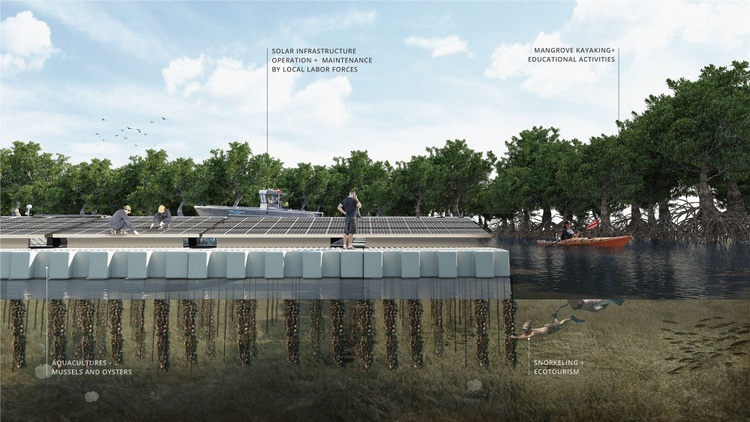
In Hwangbo, Chaeyoon Lee, Yi Lu, Rachana Thokala Lokeswara Babu
Kate Orff
,Geeta Mehta
,Emanuel Admassu
,Gabriel Vergara
,Lucas Coelho Netto
,Sebastian Delpino

Jiamin Huang, Shinan Liu, Hao Ma, Curran Zhang
Kate Orff
,Thaddeus Pawlowski
,Adriana Chavez
,Geeta Mehta
,Lorena Bello Gomez
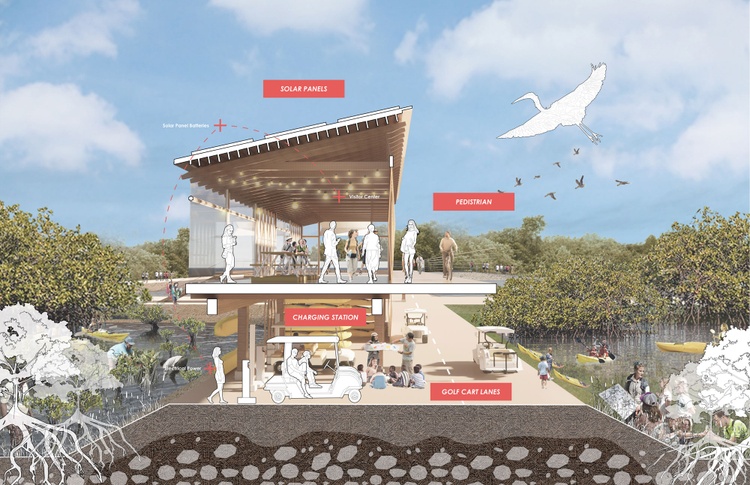
Daniela Deu, Tanuja Dhanasekaran, Kimberly Marie Ramirez, Carmen Yu
Kate Orff
,Thaddeus Pawlowski
,Adriana Chavez
,Geeta Mehta
,Lorena Bello Gomez

Ahmed Al Yaseen, Mariana Majima, Thanawat Phituksithkasem, Jil Shah
Kaja Kühl
,Lee Altman
,Anna Dietzsch
,Shachi Pandey
,Thaddeus Pawlowski
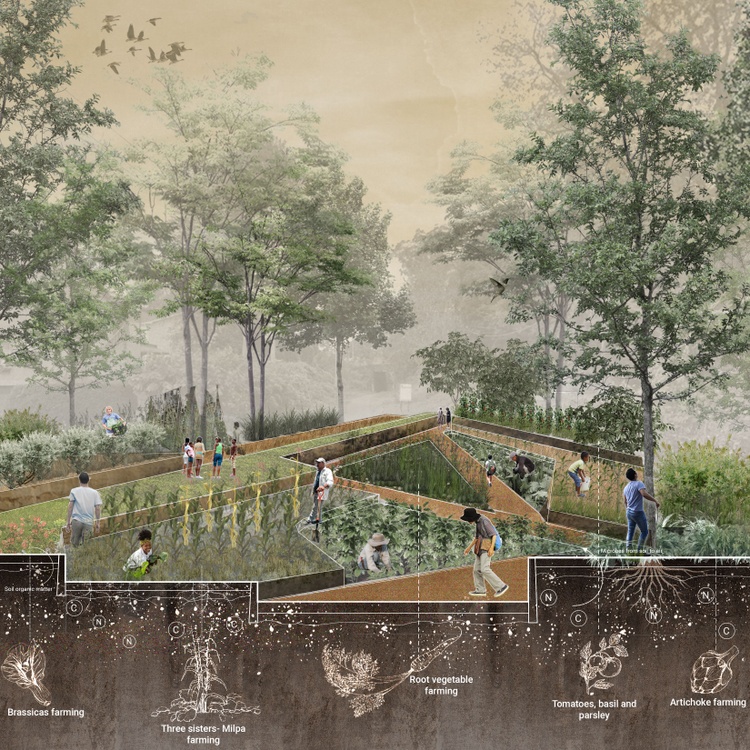
Seung Hyo Chang, Jisoo Kim, Susie Kim, Yuhan Zhou
Kate Orff
,Thaddeus Pawlowski
,Adriana Chavez
,Dilip da Cunha
,Geeta Mehta
,Claudia Herasme

Gloria Hiuyan Mah, Galina Novikova, Govardan Rajasekaran Umashankar, Rotina Yuxin Tian
Kate Orff
,Thaddeus Pawlowski
,Adriana Chavez
,Geeta Mehta
,Lorena Bello Gomez
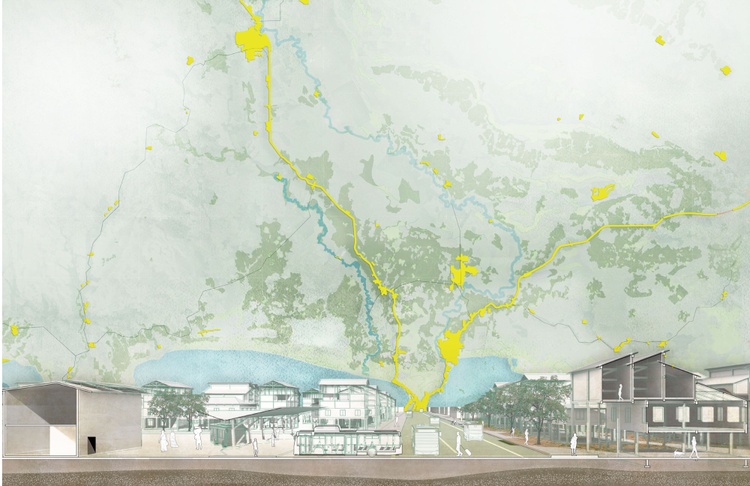
Jiaye Li, Xueyuan Wang, Yuxuan Wang, Yuhan Xu
Kate Orff
,Thaddeus Pawlowski
,Adriana Chavez
,Dilip da Cunha
,Geeta Mehta
,Claudia Herasme

Tanvi Ashok, Anirudh Bopanna Iychettira, Bing Li, Chih-Hao (Alex) Liu
Kate Orff
,Geeta Mehta
,Emanuel Admassu
,Gabriel Vergara
,Lucas Coelho Netto
,Sebastian Delpino

Daisy Castro, Qingyi Gan, Mutita Ouk, Vicky Sindac
Kate Orff
,Geeta Mehta
,Emanuel Admassu
,Gabriel Vergara
,Lucas Coelho Netto
,Sebastian Delpino

Bianca Bryant, Surabhi Dahivalkar, Cesar Delgado, Jake Tiernan
Kate Orff
,Thaddeus Pawlowski
,Adriana Chavez
,Geeta Mehta
,Lorena Bello Gomez
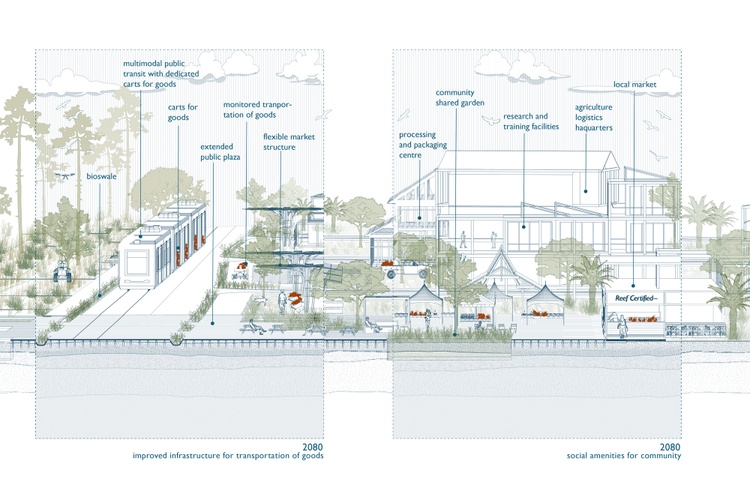
Octave Bourgeois, Yasmina Hamdan, Megan Haralovich, Penny Lee
Kate Orff
,Geeta Mehta
,Emanuel Admassu
,Gabriel Vergara
,Lucas Coelho Netto
,Sebastian Delpino

Overview
The Urban Design Program is a three-semester degree in the multidisciplinary study of cities, regions, infrastructures, and ecosystems. The program focuses on the city as an agent of resilient change and on the role of design in redefining the twenty-first century urban landscape, advancing new paradigms of research, practice, and pedagogy to meet the challenges of climate change, rapid urbanization, and social inequality. Students and faculty in the MSAUD program work to integrate and underscore the essential links between public space, social justice, and ecological systems. The program asks the venerable and necessarily shifting question: what is “the good city?”— reframing the city not as a fixed, delimited territory but as a gradient of varied landscapes supported by uneven networks of food, energy, resources, culture, transportation, and capital.
The MSAUD program is open to both pre- and post-professional students, and encourages applicants from a range of backgrounds who are focused on the questions and possibilities of the changing field of urban design. All applicants must have an undergraduate degree from an accredited college or university by the time they start the MSAUD program. Please note that the MSAUD is not a professional architecture degree and does not in itself qualify for licensure.
MSAUD is introducing an early action deadline of December 15, 2025, with a first round of decisions to be released before the end of January, 2026. This initiative is specifically designed to support incoming students with additional time to prepare for the Summer semester beginning on May 26, 2026. The regular application deadline is January 15, 2026.
The MSAUD program is a designated STEM program eligible under the CIP (Classification of Instructional Programs) Code 04.0902: Architectural and Building Sciences/Technology. Learn more about STEM designation.
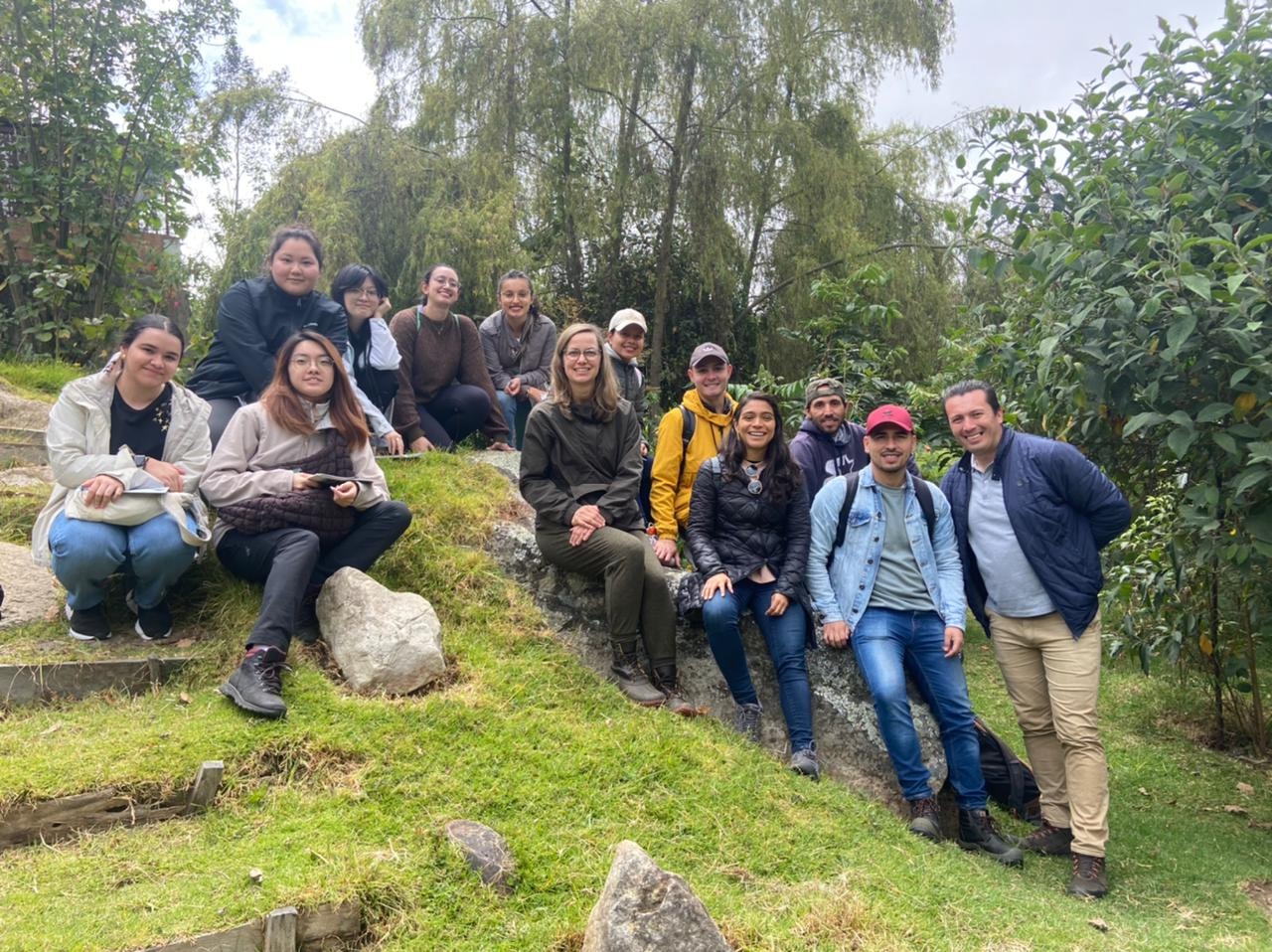
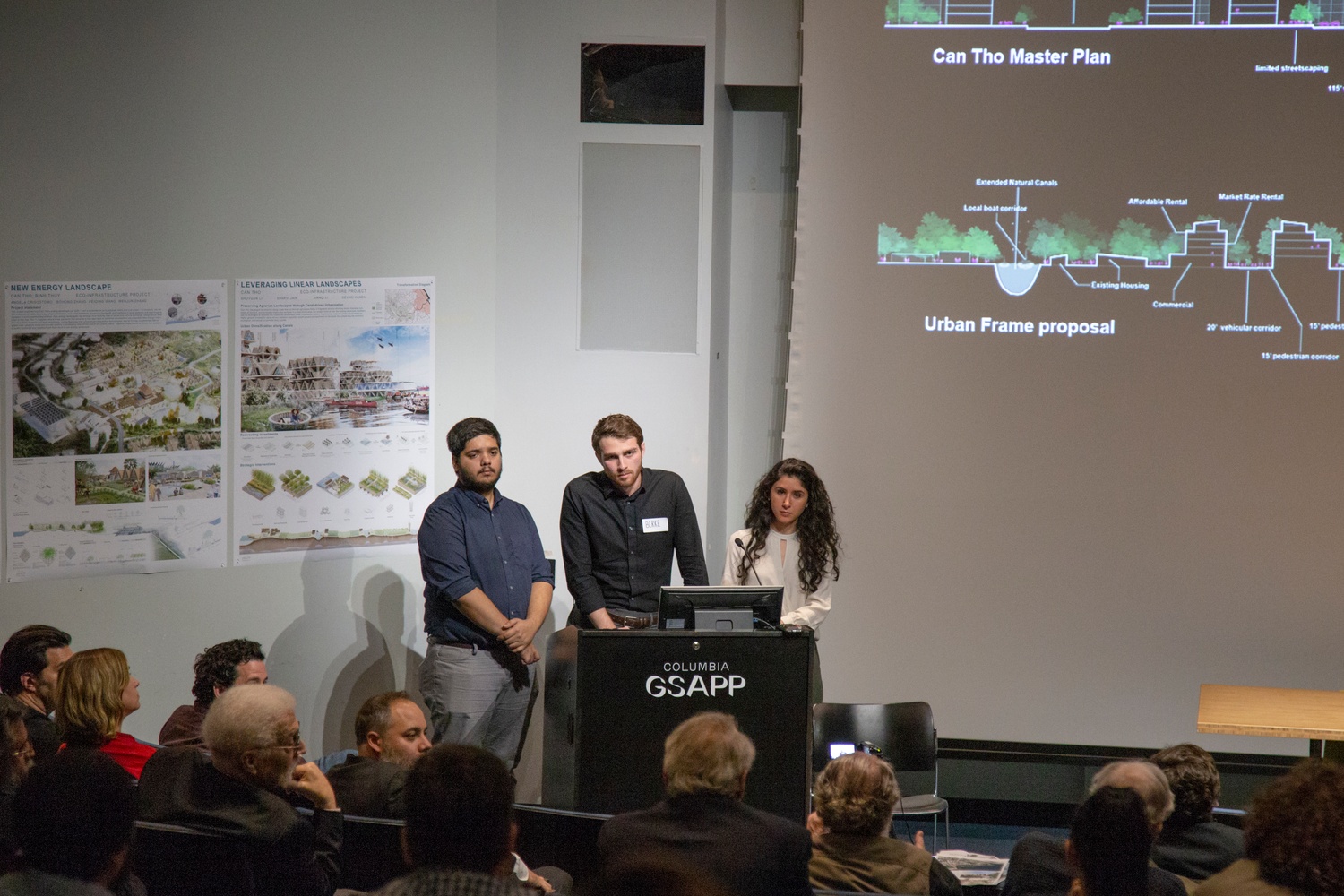
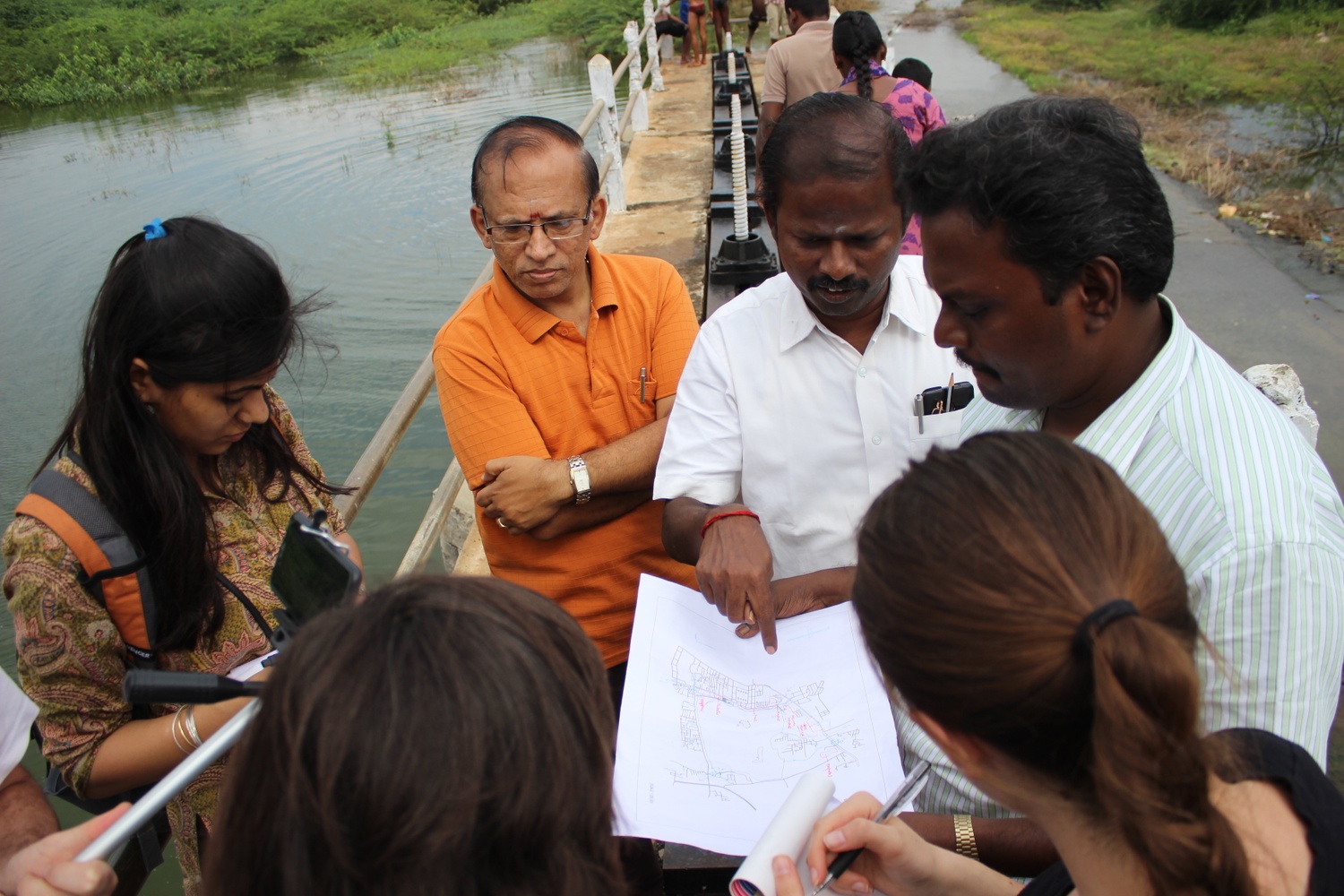
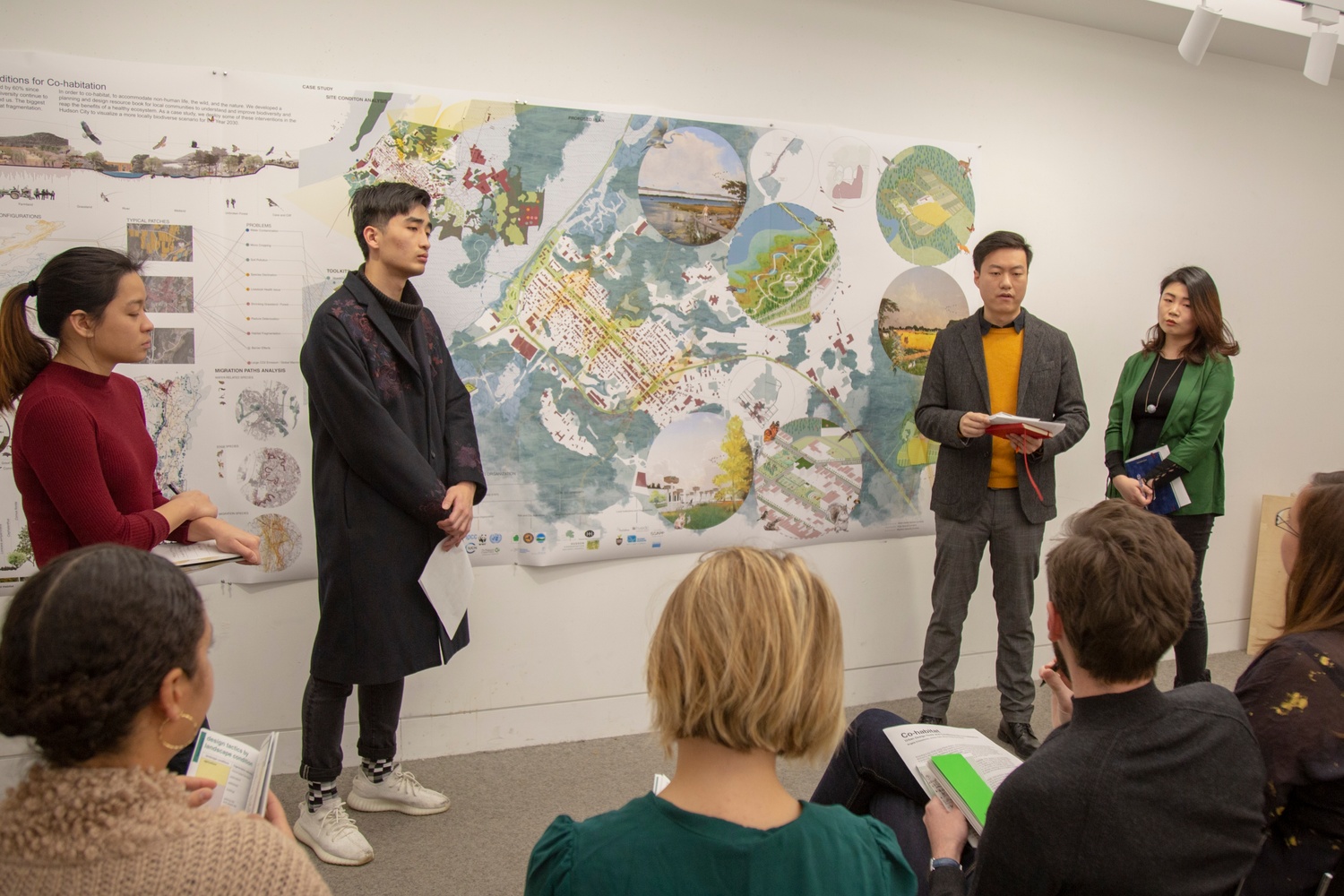
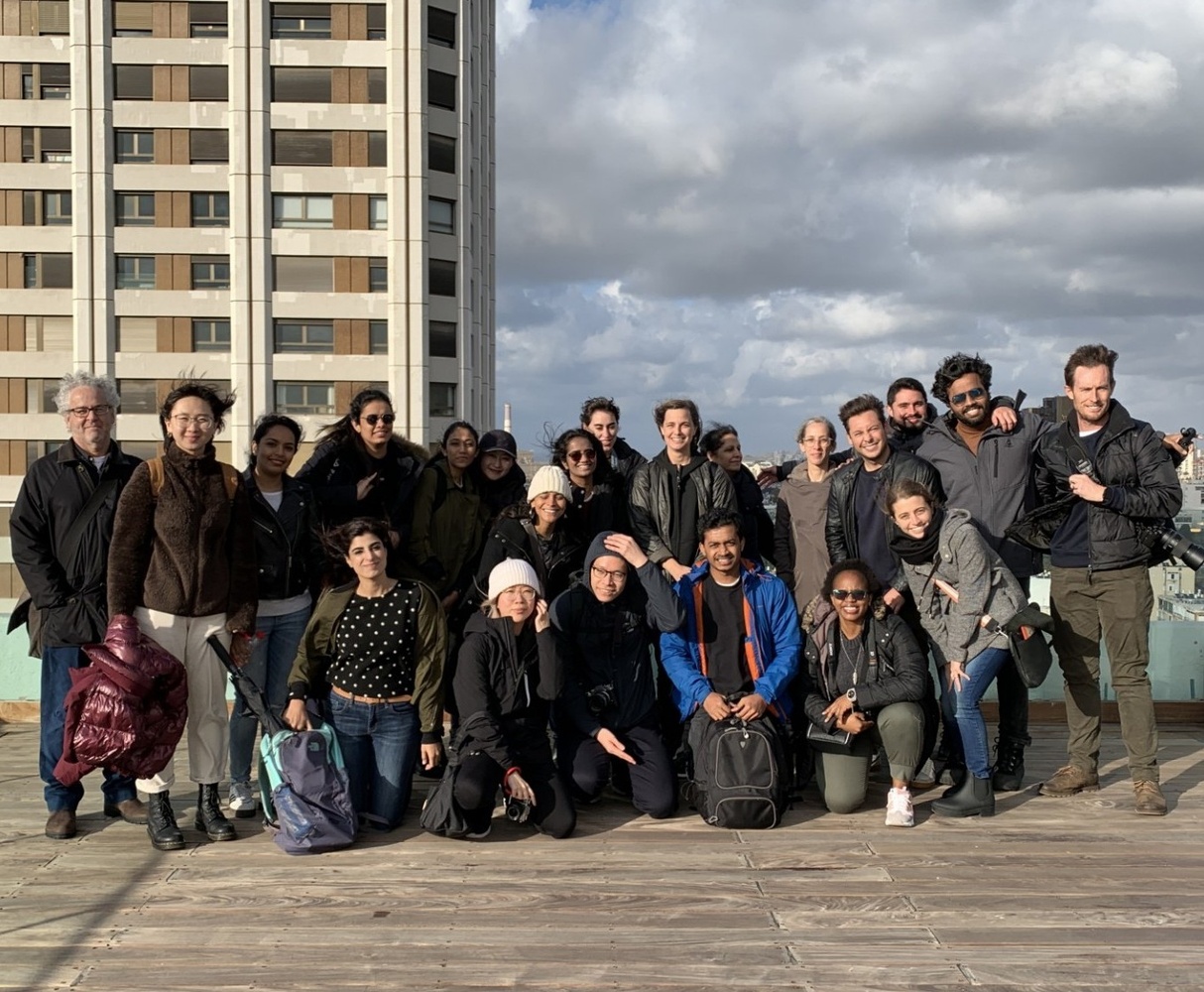
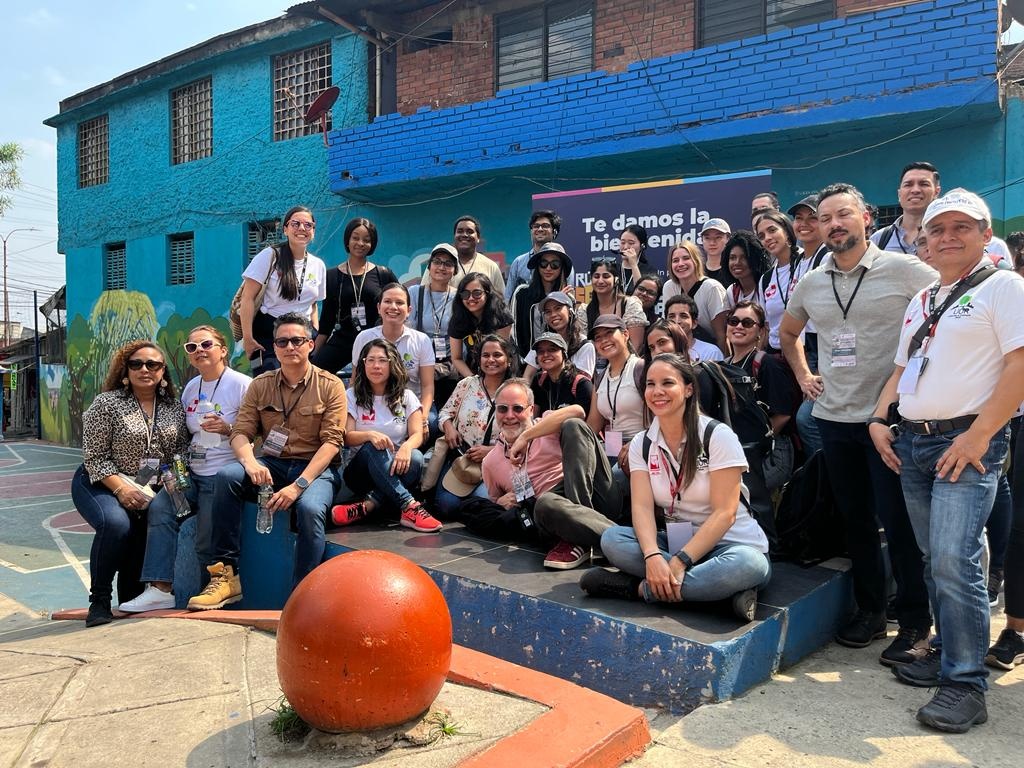
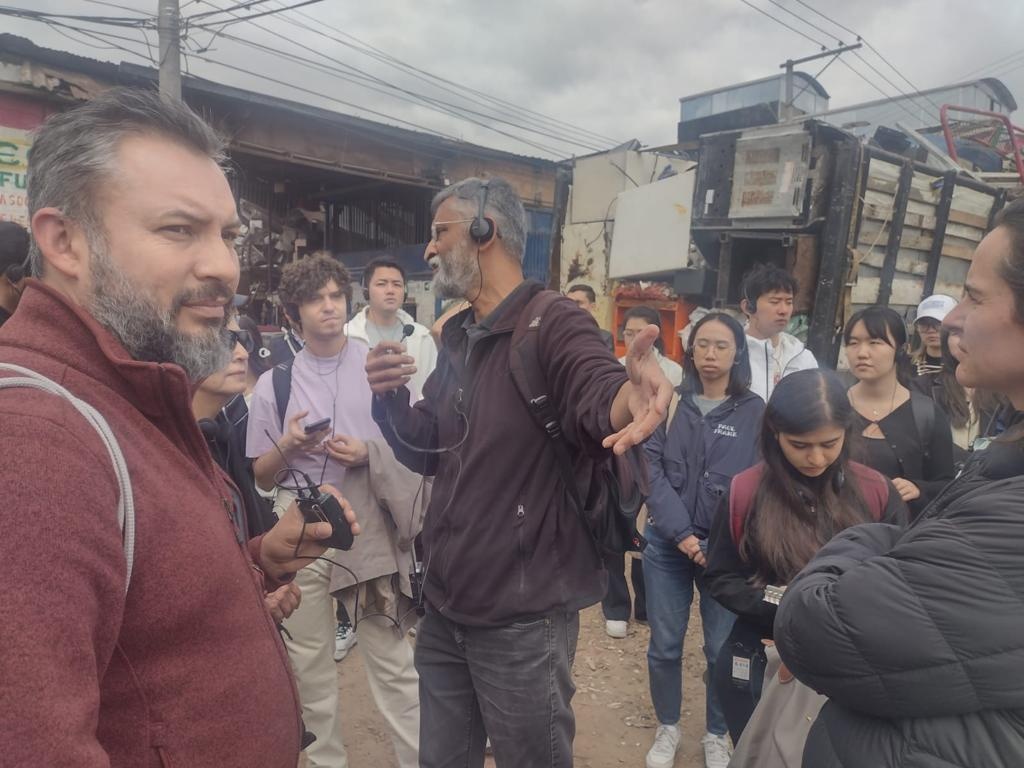
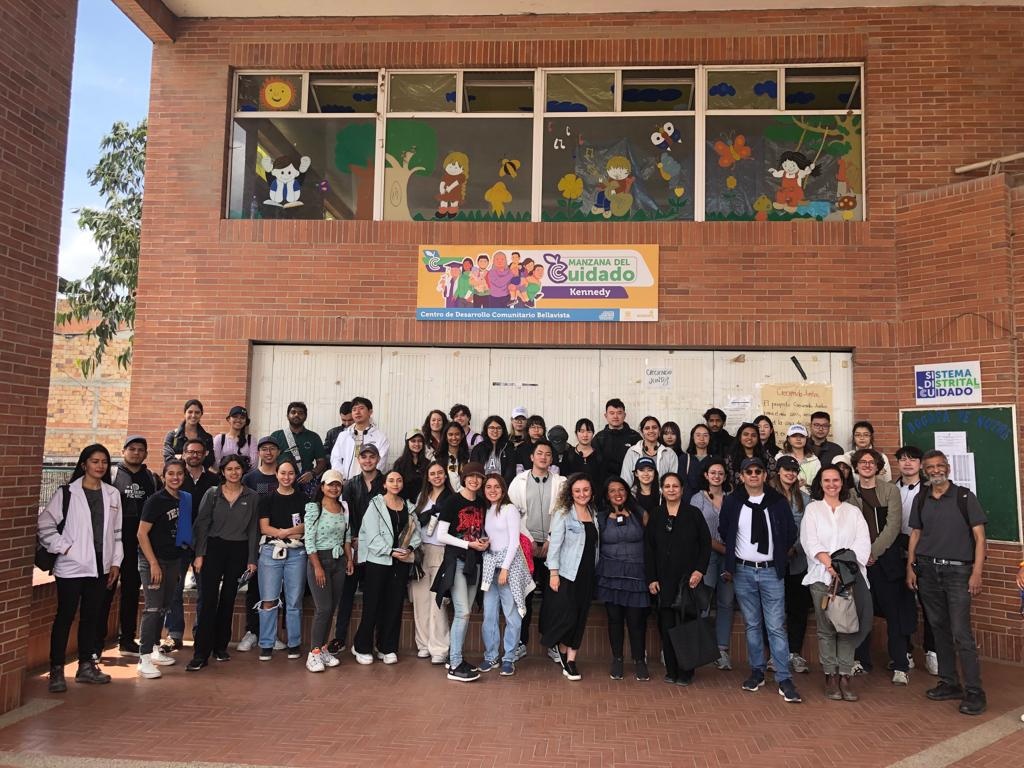
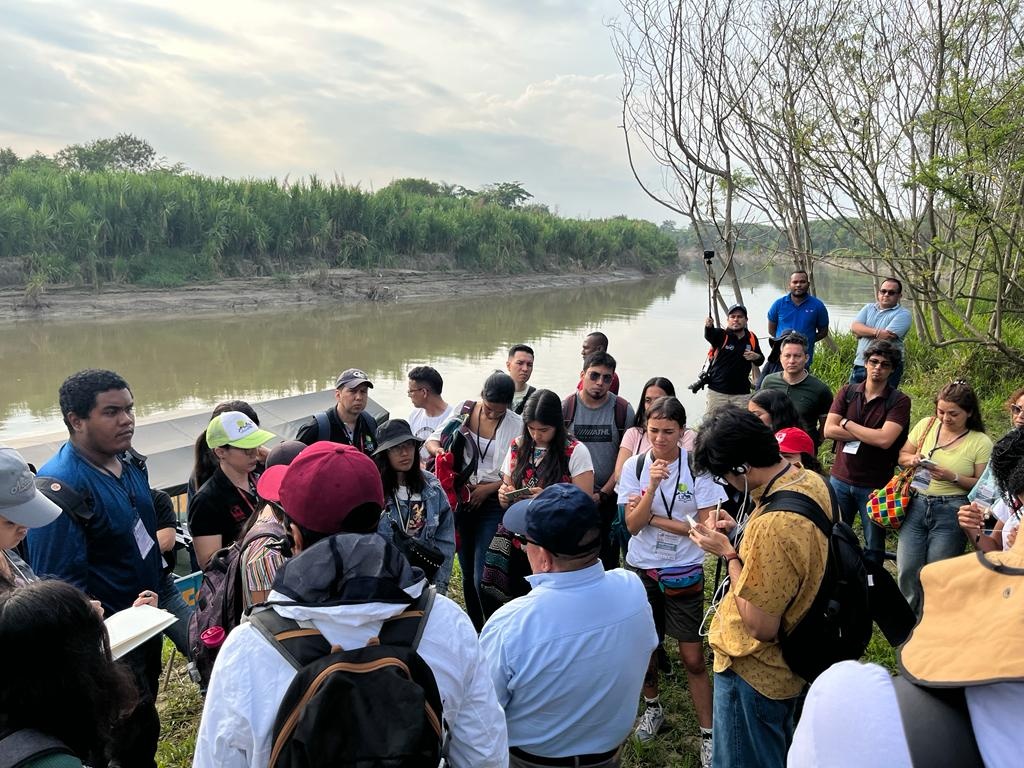
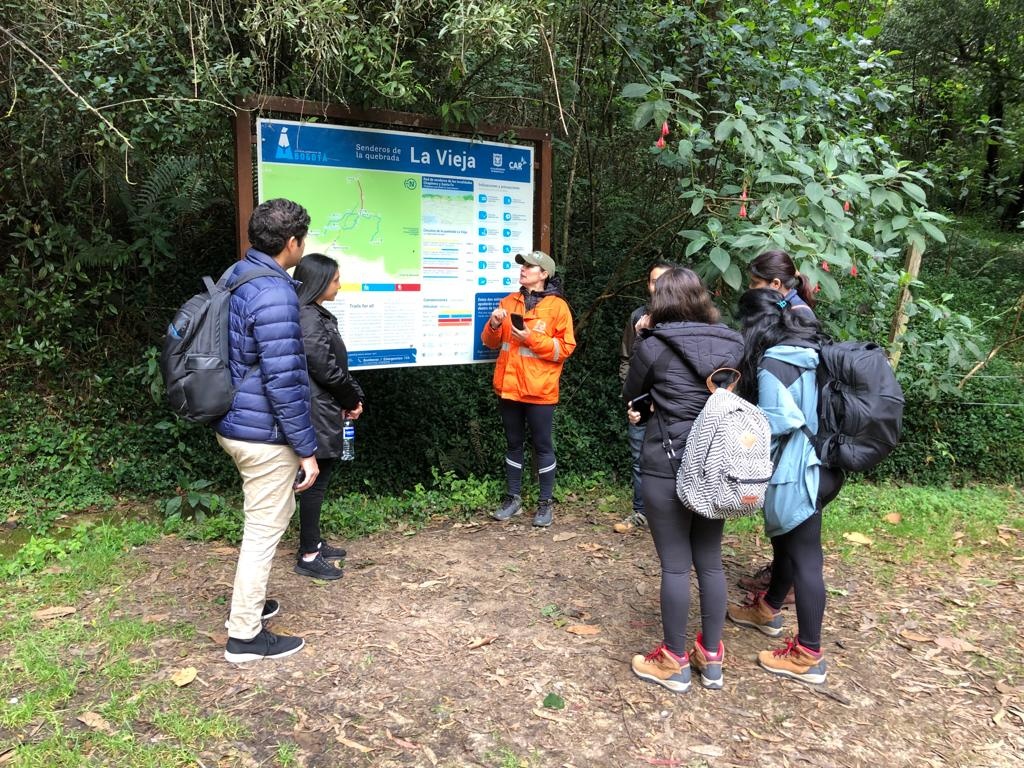
The MSAUD program encourages students to critically confront planetary urbanization via applied and on-site research that advances the idea of urban design as an inclusive, activist, tools-based project for specific sites and communities and as a critical project examining urban form, knowledge, and research processes. A sign of the program’s success is its strong, catalytic alumni working globally and across disciplines, institutions, and communities to help create robust and equitable places to live.

Curriculum
The Urban Design program’s curriculum balances the need for shared and specialized knowledge with individual student research interests. The core of the program is the three-semester sequence of studios.
Summer Studio I is foundational and addresses the experimental, representational, and constructive aspects of urban design as a process. The studio frames the Five Boroughs of New York City as a learning lab, an aggregate of socio-spatial tensions, an archive of biophysical infrastructures, and an evolving set of lived experiences.
Fall Studio II expands in scope to consider the city-region, examining large scale interdependencies, interactions, and conflicts. Studio research addresses the particular conditions of American city-regions (previously, the Hudson Valley, currently the Atlanta region) in which shifting ecological, infrastructural, financial, racial, and social conditions call for new strategies for action.
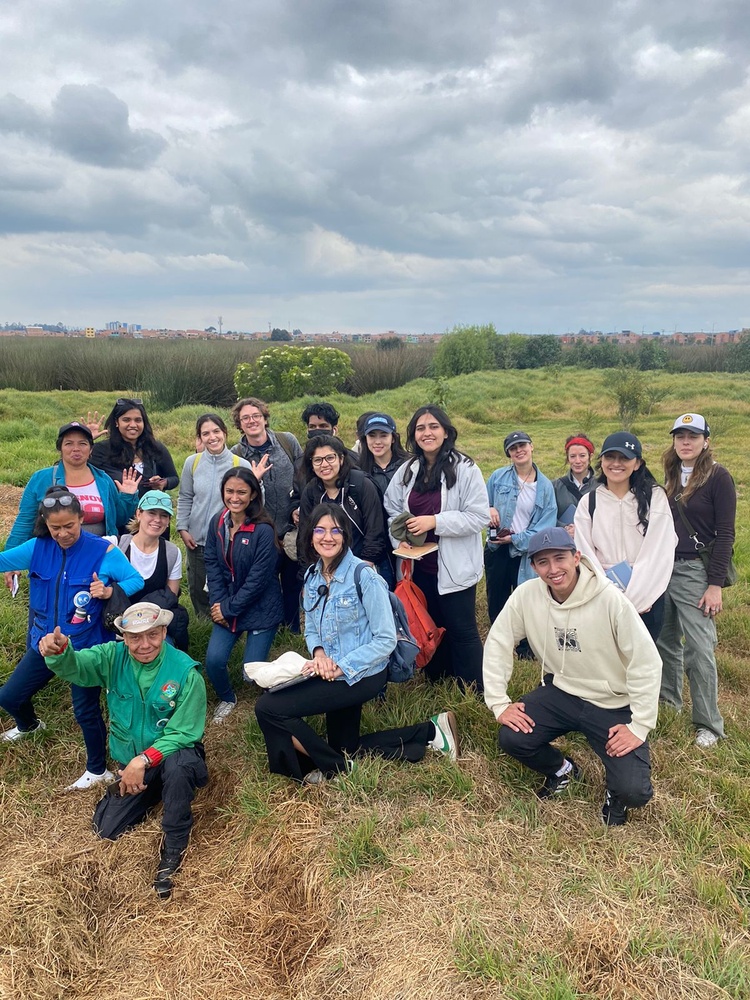
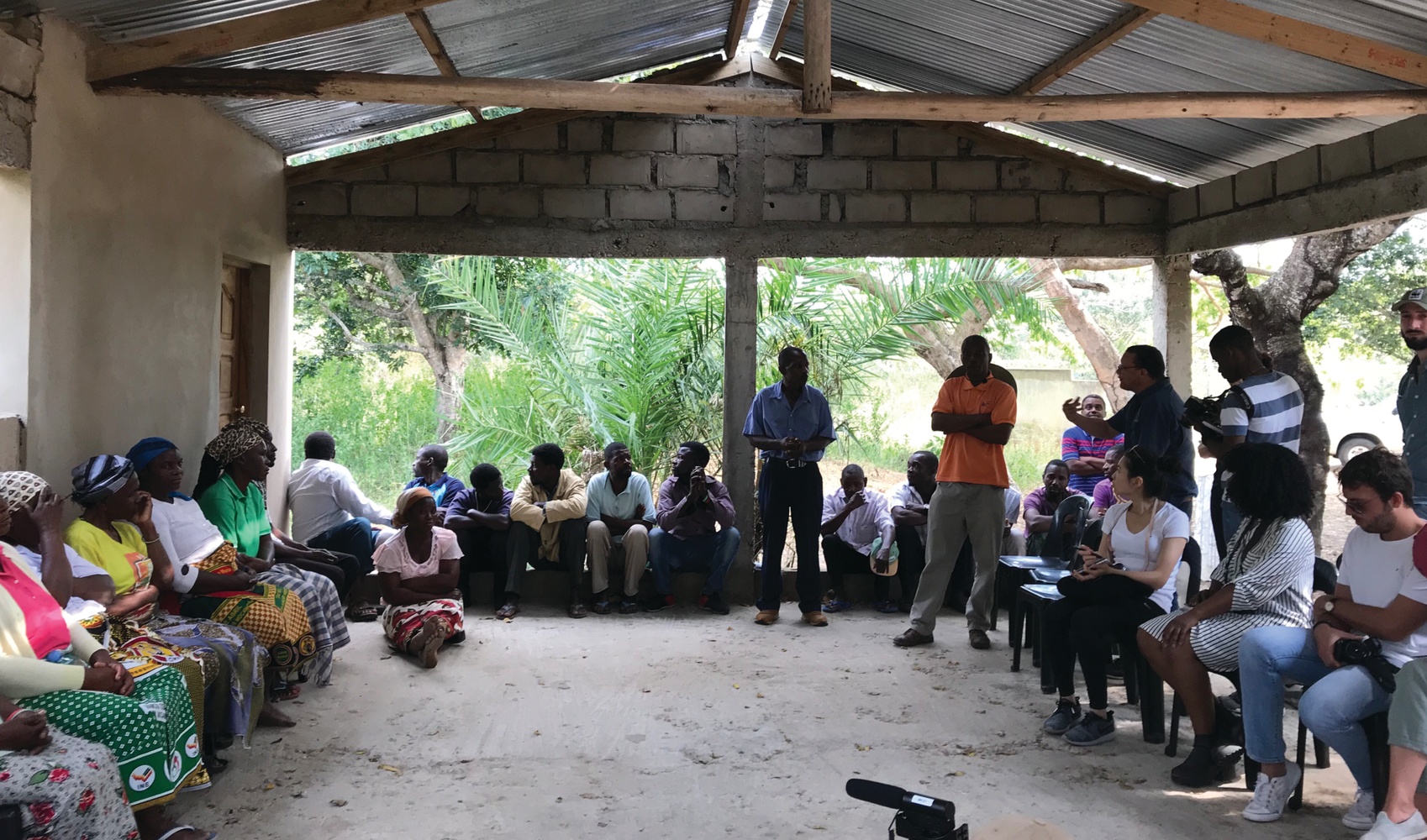
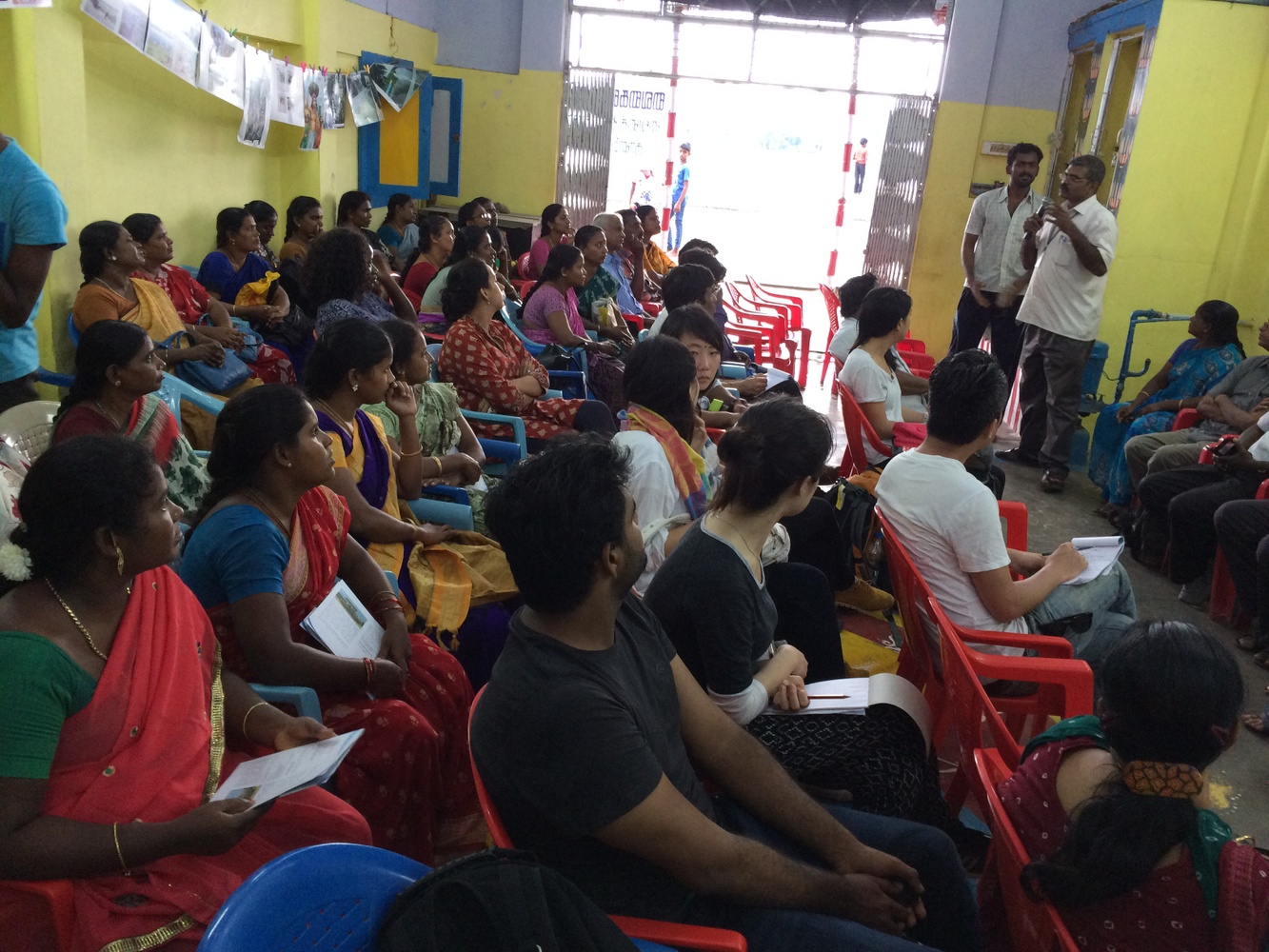
Spring Studio III takes on problems of global urbanization, extending previous studio work to include the challenges and scales of the climate emergency, examining physical and social infrastructures, new visions of programmatic intervention, and robust community, governmental and NGO partnerships. The studio typically travels to two cities, working in close cooperation with local partners and organizations.
Semesters
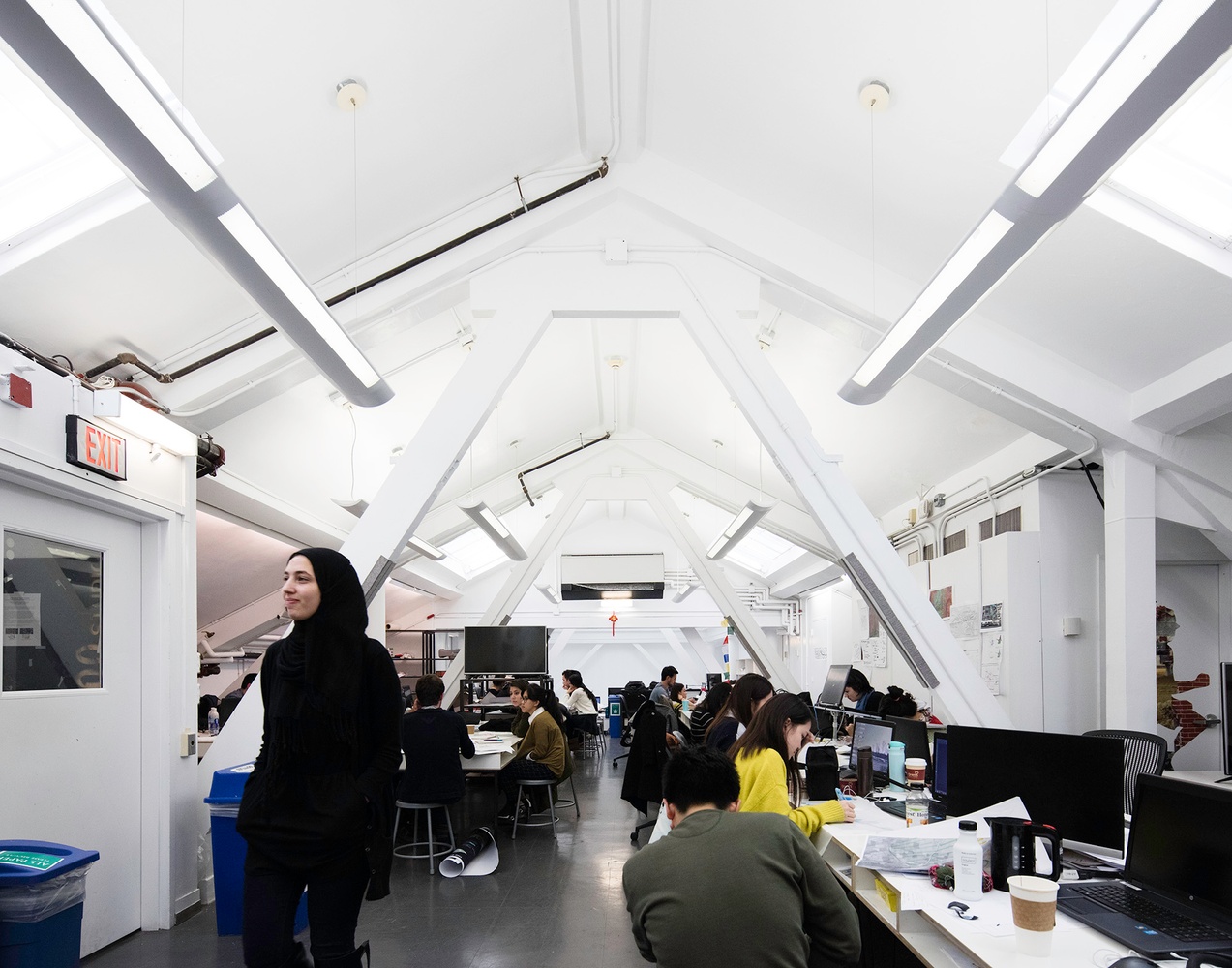
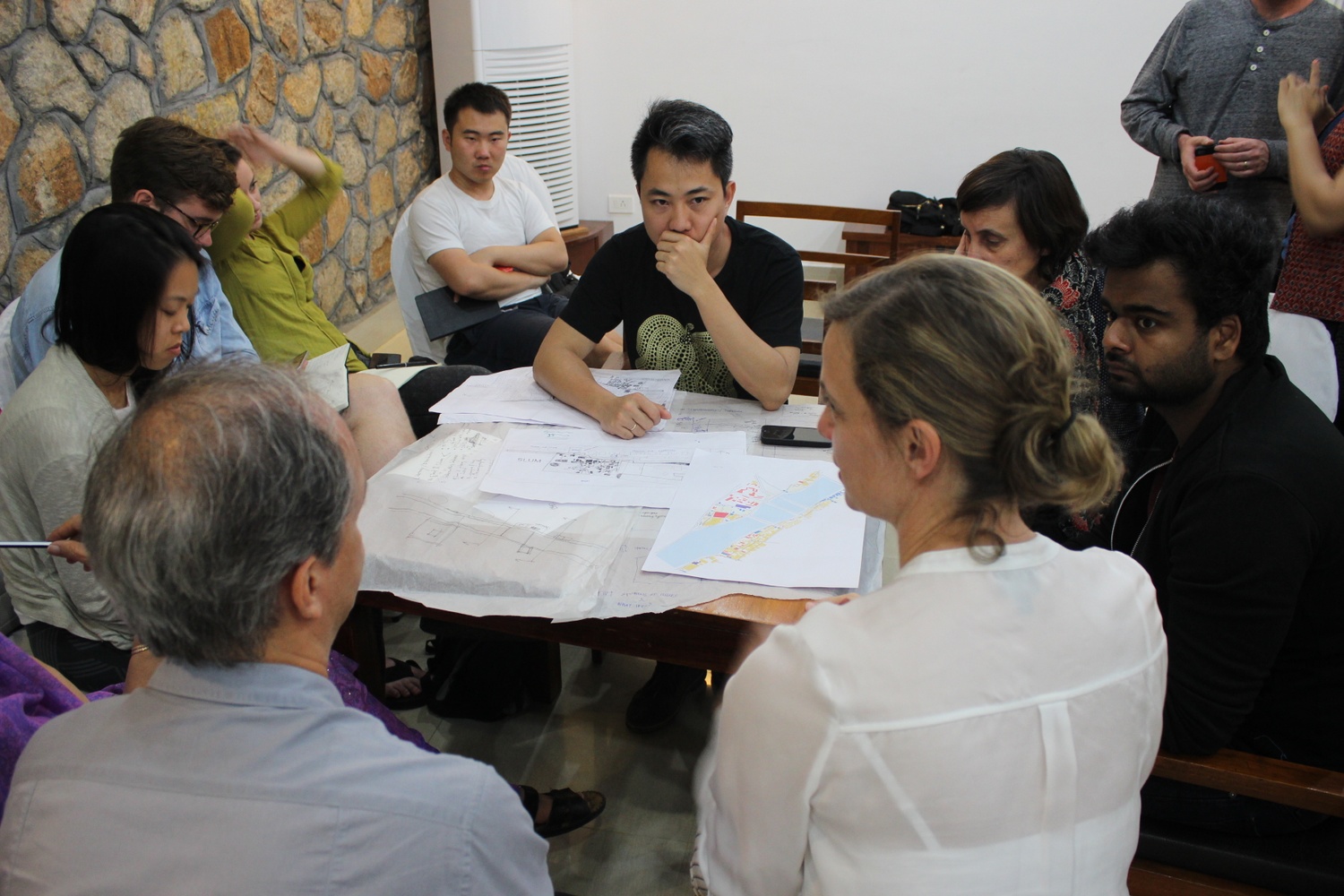
The Summer semester consists of four courses (including studio) that operate intellectually and methodologically as an integrated curriculum focusing on the New York metropolitan region. All work is based on the coordinated learning of concepts, working methods, historical and theoretical frameworks, research protocols, and representational strategies. Faculty roles overlap, courses and subjects mix, and design agendas are tested in various settings. This teaching model demonstrates how Urban Design weaves together varied tasks of storytelling, community engagement, site survey and mapping, film making and digital visualization, and 3D modeling, all of which enable students to create urban knowledge and to iterate, represent and communicate design strategies.
During the Fall and Spring Semesters students take (in addition to Studio II and Studio III), several required seminars in Urban Design as well as required electives at GSAPP or the University. (See degree requirements). The array of seminars and electives asks that students create their own focus in Urban Design, in other words, shaping an agenda, or set of concerns, or a subject area to create a unique experience in Urban Design pedagogy.
PODCAST CONVERSATIONS
Professor Kate Orff, Urban Design Program Director and principal of Scape, discusses rewilding on the At a Distance podcast as one tool among many for restoring ecological infrastructure, oysters as engineering assistants in preventing coastal flooding, and other out-of-the-box solutions local and federal authorities should be considering before the next hurricane hits.
Listen to more podcasts from the Urban Design program by following UD Sessions: The Expanded Field of Urban Design, a series of conversations with urban designers around the globe, who graduated from or taught at GSAPP’s Urban Design program. By discussing their current work and reflecting on how their experience at GSAPP shaped their thinking about design, cities, and politics, the series explores the ways in which the field of urban design expanded since its emergence. Hosted by Faculty Kaja Kühl and Grahame Shane.


Spring 2017 Urban Design Semester in Review
Summer 2017 Urban Design Semester in Review
The Smartness of User Generated Cities
Fall 2017 Urban Design Semester in Review


Spring 2018 Urban Design Semester Update


Urban Design Publications


Fall 2026 Courses
| Course | Semester | Title | Student Work | Instructor | Syllabus | Requirements & Sequence | Location & Time | Session & Points | Call No. |
|---|---|---|---|---|---|---|---|---|---|
| ARCH6820‑1 | Fall 2026 |
Urban Design Studio II
|
Emanuel Admassu, Jelisa Blumberg, Nina Cooke John, Talitha Liu |
UD Only |
206 Fayerweather, 114 Avery
M + TH 1:30 PM - 6:30 PM, F 9 AM - 11 AM
|
Full Semester
9 Points
|
10603 | ||
| ARCH6900‑1 | Fall 2026 |
Research I
|
Danielle Smoller |
Independent Study |
N/A
By Appointment
|
Full Semester
2-3 Points
|
10511 | ||
| ARCH4050‑1 | Fall 2026 |
Arch Elective Internship
|
Karen Cover |
M.Arch II, III + CCCP II Only |
N/A
N/A
|
Full Semester
1.5 Points
|
10512 | ||
| ARCH4124‑1 | Fall 2026 |
Modern Building Technology
|
Theodore Prudon, Lizzie Olson |
Preservation Technology Lab (655 Schermerhorn)
F 9 AM - 11 AM
|
Full Semester
3 Points
|
12447 | |||
| ARCH4312‑1 | Fall 2026 |
Storytelling Through Design
|
Hilary Sample |
ALL GSAPP + SoA |
409 Avery
TH 9 AM - 11 AM
|
Full Semester
3 Points
|
10568 | ||
| ARCH4352‑1 | Fall 2026 |
Events in Modern Architecture 1850-Present: Exhibitions
|
Mary McLeod |
ALL GSAPP |
409 Avery
TU 11 AM - 1 PM
|
Full Semester
3 Points
|
10574 | ||
| ARCH4427‑1 | Fall 2026 |
Architecture Apropos Art
|
Dimitra Tsachrelia |
ALL GSAPP |
412 Avery
TH 11 AM - 1 PM
|
Full Semester
3 Points
|
10583 | ||
| ARCH4441‑1 | Fall 2026 |
Interlaced Existence: Death, Life, Liminality
|
Karla Rothstein | Syllabus |
ALL GSAPP |
200 Buell North
TU 11 AM - 1 PM
|
Full Semester
3 Points
|
15503 | |
| ARCH4442‑1 | Fall 2026 |
If Buildings Had DNA
|
Christoph Kumpusch |
ALL GSAPP |
115 Avery
TU 1 PM - 3 PM
|
Full Semester
3 Points
|
10584 | ||
| ARCH4469‑1 | Fall 2026 |
The History of Architecture Theory
|
Mark Wigley |
ALL GSAPP |
114 Avery
W 11 AM - 1 PM
|
Full Semester
3 Points
|
10575 | ||
| ARCH4597‑1 | Fall 2026 |
Extreme Design
|
Mark Wigley |
ALL GSAPP |
412 Avery
TU 11 AM - 1 PM
|
Full Semester
3 Points
|
10577 | ||
| ARCH4625‑1 | Fall 2026 |
Tensile/Compression Surfaces in Architecture: Tactile Methods for Architects
|
Robert Marino |
ALL GSAPP |
Ware Lounge (600 Avery)
TU 11 AM - 1 PM
|
Full Semester
3 Points
|
10600 | ||
| ARCH4845‑1 | Fall 2026 |
Generative Design I
|
Danil Nagy |
ALL GSAPP |
Ware Lounge (600 Avery)
TU 9 AM - 11 AM
|
Full Semester
3 Points
|
10590 | ||
| ARCH4892‑1 | Fall 2026 |
Data Visualization for Architecture, Urbanism and the Humanities
|
Jia Zhang |
ALL GSAPP |
409 Avery
F 9 AM - 11 AM
|
Full Semester
3 Points
|
10591 | ||
| ARCH4987‑1 | Fall 2026 |
Architectural Photography: From the Models to the Built World
|
Michael Vahrenwald |
115 Avery
TU 9 AM - 11 AM
|
Full Semester
3 Points
|
19779 | |||
| ARCH6682‑1 | Fall 2026 |
Subject_Object
|
Suchi Reddy |
ALL GSAPP |
300 Buell North
TH 11 AM - 1 PM
|
Full Semester
3 Points
|
10601 | ||
| ARCH6756‑1 | Fall 2026 |
Make
|
Ada Tolla, Giuseppe Lignano |
ALL GSAPP |
Ware Lounge (600 Avery)
F 11 AM - 1 PM
|
Full Semester
3 Points
|
10587 | ||
| ARCH6768‑1 | Fall 2026 |
Conservation of Architectural Metals
|
Richard Pieper |
ALL GSAPP |
Preservation Technology Lab (655 Schermerhorn)
M 10 AM - 1 PM
|
Session A
1.5 Points
|
10615 | ||
| ARCH6801‑1 | Fall 2026 |
Structural Daring & The Sublime In Pre-Modern Architecture
|
Rory O'Neill |
ALL GSAPP |
412 Avery
F 11 AM - 1 PM
|
Full Semester
3 Points
|
12268 | ||
| ARCH6815‑1 | Fall 2026 |
Public Space: Rhetorics + Practices
|
David Smiley |
ALL GSAPP |
412 Avery
TU 1 PM - 3 PM
|
Full Semester
3 Points
|
15505 | ||
| ARCH6830‑1 | Fall 2026 |
Difference and Design
|
Justin Moore |
ALL GSAPP + Tuskegee TSACS |
409 Avery
TU 9 AM -11 AM
|
Full Semester
3 Points
|
10604 | ||
| ARCH6832‑1 | Fall 2026 |
Toward Resilient Cities and Landscapes
|
Kate Orff |
ALL GSAPP |
115 Avery
TU 3 PM - 5 PM
|
Full Semester
3 Points
|
15506 | ||
| ARCH6921‑1 | Fall 2026 |
AI for Existing Buildings
|
Kivanc Kose |
ALL GSAPP |
Preservation Technology Lab (655 Schermerhorn)
W 6 PM - 8 PM
|
Session B
1.5 Points
|
10715 | ||
| ARCH6934‑1 | Fall 2026 |
Traditional Building Technology
|
Tim Michiels |
Preservation Technology Lab (655 Schermerhorn)
TH 9 AM - 11:30 AM
|
Full Semester
3 Points
|
10716 | |||
| ARCH6937‑1 | Fall 2026 |
Visualization Techniques for Arch Preservation
|
Halley Ramos |
ALL GSAPP |
Preservation Technology Lab (655 Schermerhorn)
W 6 PM - 8 PM
|
Session A
1.5 Points
|
10717 | ||
| ARCH6938‑1 | Fall 2026 |
Rendering Systems
|
Seth Thompson |
ALL GSAPP |
300 Buell South
TU 7 PM - 9 PM
|
Full Semester
3 Points
|
10595 | ||
| ARCH6939‑1 | Fall 2026 |
GIS for Design Practices
|
Mario Giampieri |
ALL GSAPP |
408 Avery
F 11 AM - 1 PM
|
Full Semester
3 Points
|
10594 | ||
| ARCH6941‑1 | Fall 2026 |
Architectural Acoustics and Field Recordings
|
Ethan Bourdeau |
ALL GSAPP |
504 Avery
TU 11 AM - 1 PM
|
Full Semester
3 Points
|
17231 | ||
| ARCH6956‑1 | Fall 2026 |
Spatial AI
|
William Martin |
ALL GSAPP |
115 Avery
TH 11 AM - 1 PM
|
Full Semester
3 Points
|
10593 | ||
| ARCH6966‑1 | Fall 2026 |
Le Corbusier Beyond Europe
|
Mary McLeod |
ALL GSAPP |
412 Avery
W 4 PM - 6 PM
|
Full Semester
3 Points
|
10581 | ||
| ARCH6982‑1 | Fall 2026 |
Planetary Media
|
Amelyn Ng | Syllabus |
ALL GSAPP |
408 Avery
TU 11 AM - 1 PM
|
Full Semester
3 Points
|
10592 | |
| ARCH6986‑1 | Fall 2026 |
Digital Fabrication at Scale
|
Joseph Brennan |
ALL GSAPP |
408 Avery
M 9 AM - 11 AM
|
Full Semester
3 Points
|
10596 | ||
| ARCH6990‑1 | Fall 2026 |
Exposed: Advanced Structural Design
|
Hermona Tamrat |
ALL GSAPP |
505 Avery
W 11 AM - 1 PM
|
Full Semester
3 Points
|
10777 | ||
| ARCH6991‑1 | Fall 2026 |
Biogenic Sections
|
Marc Tsurumaki |
ALL GSAPP |
Ware Lounge (600 Avery)
TH 11 AM - 1 PM
|
Full Semester
3 Points
|
10606 | ||
| PLAN4022‑1 | Fall 2026 |
Fundamentals of Urban Digital Design
|
Sybil Wa |
UP Computer Lab (202 Fayerweather)
TH 3 PM - 5 PM
|
Full Semester
3 Points
|
10719 | |||
| PLAN4320‑1 | Fall 2026 |
Urban Design For Planners
|
Jonathan Martin |
Ware Lounge (600 Avery)
W 9 AM - 11 AM
|
Full Semester
3 Points
|
11901 | |||
| PLAN4881‑1 | Fall 2026 |
Practicum: Planning the Cultural Space
|
Douglas Woodward, Peter Flamm |
ALL GSAPP |
204 Fayerweather
TU 3 PM - 5 PM
|
Full Semester
3 Points
|
11902 | ||
| PLAN6009‑1 | Fall 2026 |
Environmental Data Analysis
|
Peter Marcotullio, Kaz Sakamoto |
ALL GSAPP |
412 Avery
M 3 PM - 5 PM
|
Full Semester
3 Points
|
10724 | ||
| PLAN6088‑1 | Fall 2026 |
Introduction to International Planning
|
Ebru Gencer |
204 Fayerweather
M 1 PM - 3 PM
|
Full Semester
3 Points
|
10725 | |||
| PLAN6121‑1 | Fall 2026 |
Practicum: Residential Planning in Global Cities
|
Kate Dunham |
203 Fayerweather
F 11 AM - 1 PM
|
Session A
1.5 Points
|
10727 | |||
| PLAN6328‑1 | Fall 2026 |
Site Planning & Support Systems
|
Graham Trelstad |
204 Fayerweather
M 5 PM - 7 PM
|
Full Semester
3 Points
|
10728 | |||
| PLAN6434‑1 | Fall 2026 |
Introduction to Transportation Planning
|
Rachel Weinberger |
204 Fayerweather
TH 1 PM - 3 PM
|
Full Semester
3 Points
|
10729 | |||
| PLAN6612‑1 | Fall 2026 |
Planning for Justice in a Low Carbon Future
|
Javier Lopez |
408 Avery
M 11 AM - 1 PM
|
Full Semester
3 Points
|
10730 | |||
| PLAN6619‑1 | Fall 2026 |
Intro to Urban Data and Informatics
|
Timothy Yoshimura |
ALL GSAPP |
UP Computer Lab (202 Fayerweather)
F 9 AM - 11 AM
|
Full Semester
3 Points
|
10731 | ||
| PLAN6621‑1 | Fall 2026 |
Law, Politics, and Planning Practice
|
Howard Slatkin |
ALL GSAPP |
203 Fayerweather
W 5 PM - 7 PM
|
Full Semester
3 Points
|
11916 | ||
| PLAN6642‑1 | Fall 2026 |
Metropolitan Planning
|
Thomas Wright |
ALL GSAPP |
204 Fayerweather
W 5 PM - 7 PM
|
Session A
1.5 Points
|
11903 | ||
| PLAN6646‑1 | Fall 2026 |
Affordable Housing in High Demand Cities
|
Kristin Miller, Evan Easterbrooks-Dick |
ALL GSAPP |
203 Fayerweather
TH 5 PM - 7 PM
|
Full Semester
3 Points
|
10732 | ||
| PLAN6719‑1 | Fall 2026 |
Building Adaptation and Reuse
|
Andy Golubitsky, Gabriel Randall |
ALL GSAPP |
209 Fayerweather
F 1 PM - 3 PM
|
Session B
1.5 Points
|
10771 | ||
| PLAN6921‑1 | Fall 2026 |
Practicum: Urban Analytics for Social Good
|
Boyeong Hong |
UP Computer Lab (202 Fayerweather)
M 11 AM - 1 PM
|
Full Semester
3 Points
|
10735 | |||
| PLAN6923‑1 | Fall 2026 |
Data Infrastructure and Management in the Context of AI
|
Suprima Bhele | Syllabus |
UP Computer Lab (202 Fayerweather)
TU 6 PM - 8 PM
|
Session B
1.5 Points
|
11917 | ||
| PLAN6928‑1 | Fall 2026 |
Global Best Practices in Public Transportation
|
Jake Berman | Syllabus |
ALL GSAPP |
204 Fayerweather
TU 6 PM - 8 PM
|
Full Semester
3 Points
|
10737 | |
| PLAN6942‑1 | Fall 2026 |
Community Development Finance Practicum
|
Kevin McQueen |
412 Avery
M 5 PM - 7 PM
|
Full Semester
3 Points
|
10738 | |||
| PLAN6946‑1 | Fall 2026 |
Housing the Unhoused: A Practicum
|
Jessica Katz |
ALL GSAPP |
204 Fayerweather
W 5 PM - 7 PM
|
Session B
1.5 Points
|
11904 | ||
| ARCH4518‑1 | Fall 2026 |
Exhibition Histories, Curating Theories
|
Mark Wasiuta |
ALL GSAPP |
300 Buell South
TH 11 AM - 1 PM
|
Full Semester
3 Points
|
14824 | ||
| ARCH6987‑1 | Fall 2026 |
Simulations, Models, Twins
|
Adam Vosburgh |
ALL GSAPP |
300 Buell South
TH 9 AM - 11 AM
|
Full Semester
3 Points
|
17234 | ||
| PLAN6272‑1 | Fall 2026 |
New York Rising: How Real Estate Shapes a City
|
Kate Ascher |
ALL GSAPP |
114 Avery
F 11 AM - 1 PM
|
Full Semester
3 Points
|
10567 |
News